
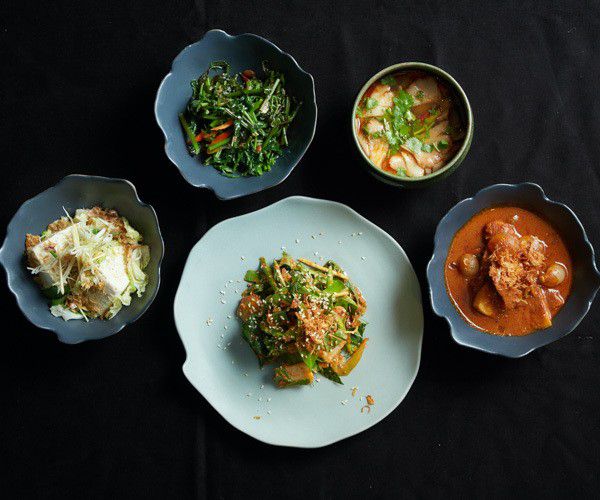
Vegan fine dining in Bangkok
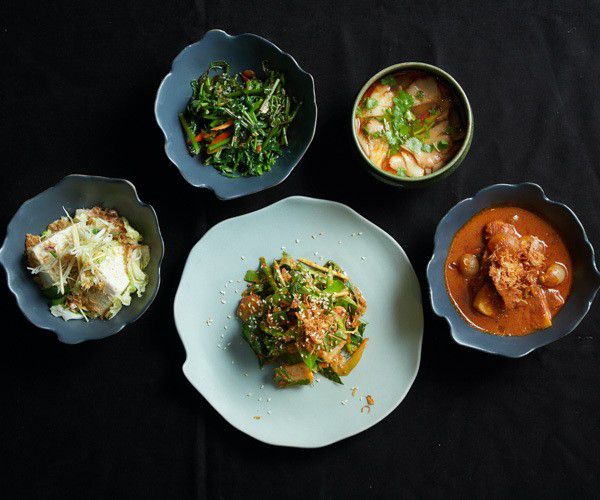
Life has changed. Surrounded by uncertainty and anxiety, many of us struggle to come to terms with this unprecedented pandemic. The health issues, economic impact, social distancing, lockdowns, and global travel restrictions have all become part of life as we know it. We can only hope that in the not too distant future, we can visit friends and family while looking back on this period and reflecting on the worldwide impact. We are reminiscing about our last trip before the pandemic; vegan fine dining in Bangkok. Hopefully, it won’t be too long before we can revisit these restaurants and savor their plant-based creations.
Nahm
Located in the upscale Metropolitan Hotel and led by Chef Pim Techamuanvivit, Nahm has continued to entice diners to this award-winning restaurant. Launched by renowned chef, David Thompson has regularly won awards since the restaurant’s inception in 2010; it currently sits at number 22 in Asia’s 50 Best Restaurants and has won a Michelin star in each of the last three years. They offer a multi-course menu with seasonal ingredients throughout a selection of traditional dishes with modern twists.
Mei Jiang
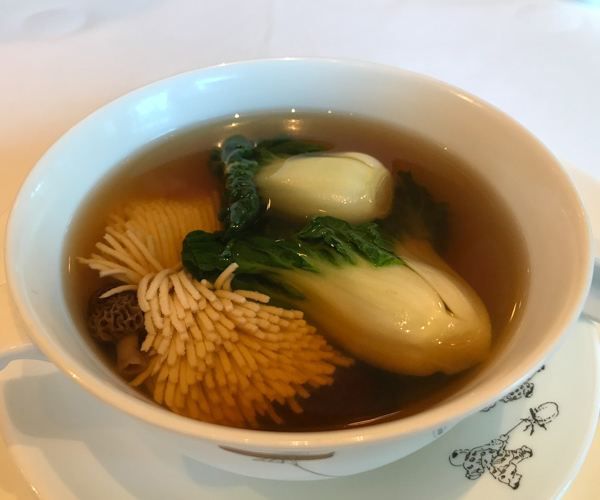
Considered by many to be the finest Cantonese restaurant in Bangkok, Mei Jiang at The Peninsula Bangkok boasts an enviable location overlooking lush gardens and the Chao Praya river. Chef Jackie Ho and his team serve dishes that are both beautifully presented and packed with incredible flavors. The exquisite cuisine combined with the refined ambiance and elegant service makes Mei Jiang a favorite. There are vegan options on the a la carte menu and a wellness dim sum lunch menu, which can be served vegan.
The Allium Bangkok
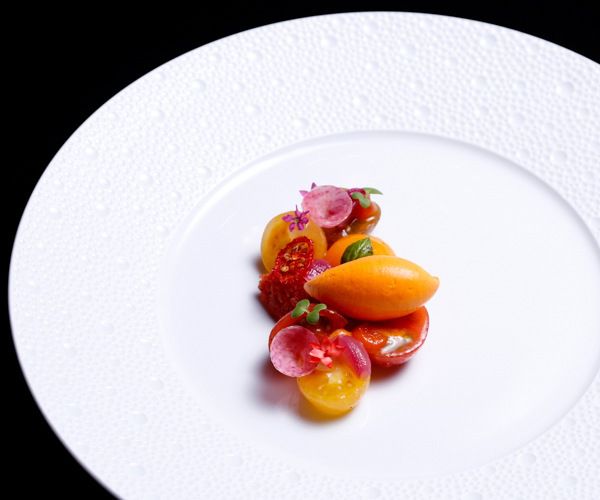
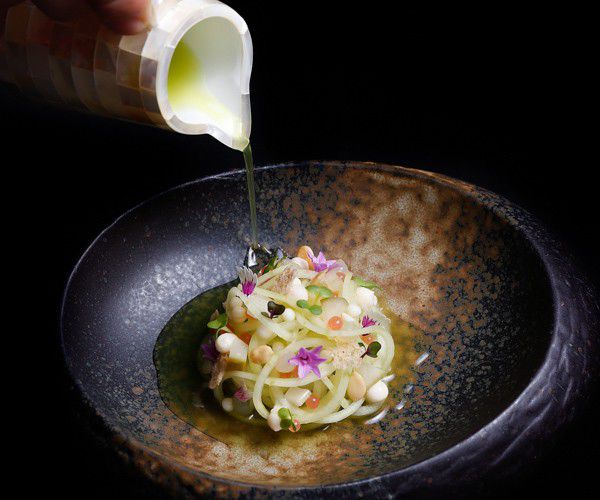
The Allium Bangkok is a French fine-dining restaurant at The Athenee, a Luxury Collection Hotel. European chef de cuisine, Roxanne Lange is of Dutch heritage, but her refined cooking style is classic French-inspired. Expect impeccably presented food that will impress you with its complexity and creativity. Much of the produce is local and organic where possible; this is an ideal fit for the multi-course, plant-based menu on offer. The restaurant provides vegan fine dining of the highest level where the food, service, and ambiance combine to create plant-based perfection.
bo.lan
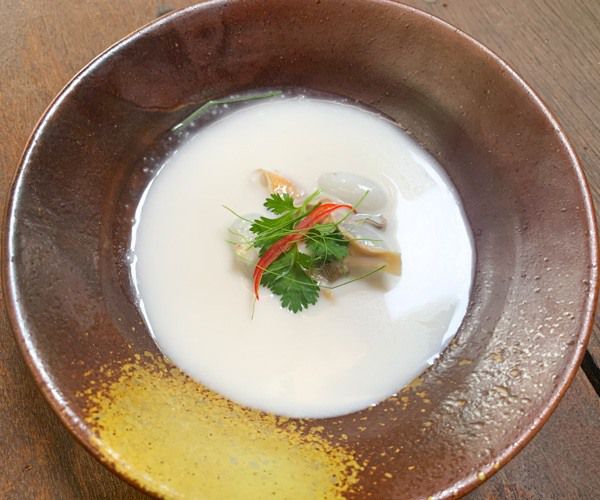
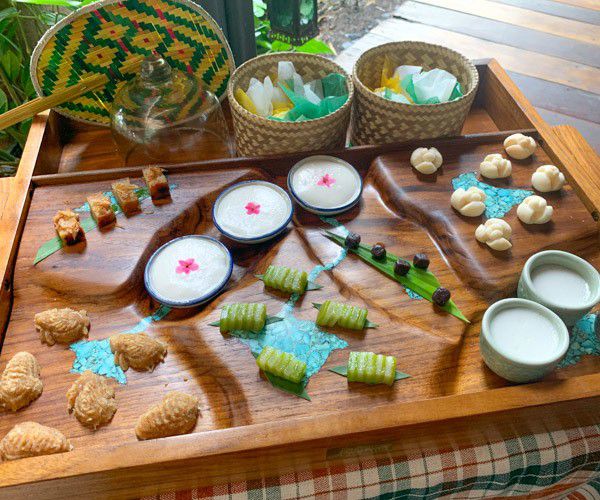
Since 2009 on Sukhumvit 53, the husband and wife team of chef Duangporn “Bo” Songvisava and chef Dylan Jones have continued to excite diners with their refined interpretation of traditional Thai food. Number 19 in Asia’s Best 50 Restaurants and boasting one Michelin star, bo.lan’s cooking style, and elegant restaurant design encompasses three dining rooms and an outdoor area. The multi-course ‘Bo.lan Balance’ menu is wholly vegan and takes you on a Thai culinary journey before arriving at a platter of their fantastic petit fours.
If you are dreaming of vegan fine dining in Bangkok, then you won’t go far wrong by choosing any of these four restaurants. Each with their unique styles, but everyone was creating plant-based cuisine that will leave you wanting to come back for more. Let’s hope we can beat this global pandemic and make our dreams come true.
By Paul Eyers

Video: Why Rolls-Royce cars are so expensive
Rolls-Royce makes some of the world’s most luxurious and expensive cars. Known for producing hand-crafted automobiles that promise a seamless “magical carpet ride” for its customers, Rolls-Royce’s cars do not come cheap. With virtually unlimited optional extras, upgrades, and customizations, the true cost of a bespoke Rolls-Royce has no limits. So what are some of those bespoke extras? And is that what makes Rolls-Royces so expensive?
The journey is the destination

Ralph Waldo Emerson was an American essayist, lecturer, philosopher, and poet who led the transcendentalist movement of the mid-19th century. He is perhaps best known nowadays for his quotes. “It’s not the destination, it’s the journey” is probably his biggest hit. A seemingly simple but nevertheless, profound statement.
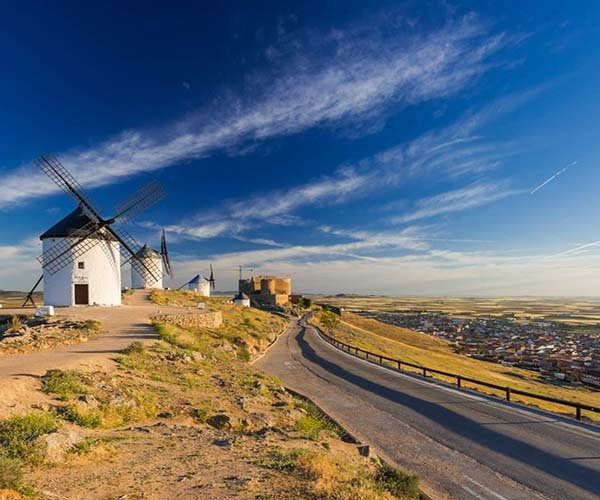
I guess it’s the constraints of the typical 2 week holiday that seduced people into getting to their chosen destination as quickly as possible. You sit in the departure lounge on a miserable and grey Manchester Monday afternoon, and 14 hours later you’re halfway around the world. On the way, you’ve probably watched a couple of films, read a book, or snoozed. Whatever you’ve done to pass the time, the one thing you haven’t done is let the journey unfold in an organic way. The fact you’re 12,000 miles away in a relatively short time is slightly surreal. You may have followed the journey on the airplane screen and watched your plane cross oceans and continents which will have given you some idea of your path to your destination but you most certainly haven’t experienced the journey in any real sense.
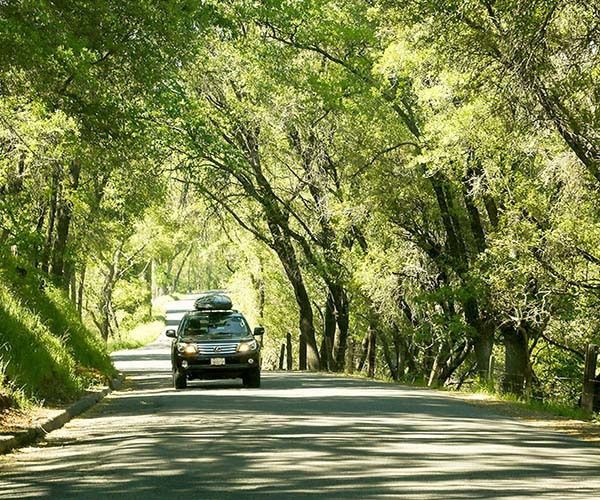
I’m a big fan of a road trip and it’s my idea of travel to heaven. My first experience of this form of holiday was as a child. We drove down from Sheffield to Dover, crossed the channel, and then slowly meandered our way through France. We avoided the Péage and stuck to A or B roads. There was no sense of urgency to get to the South of France. We took in charming towns and villages. We stopped when we felt like it. The journey took almost three days and it was probably my most memorable trip. The crowning glory was cresting the Jura mountains. Way off in the distance was the shimmering mirage-like vision of Mont Blanc’s snowy peak. In the foreground, I could just make out the huge fountain of Geneva gushing water into the air. There were other memorable moments, the discovery of Annecy was one such moment I’ll always treasure. We made a bit of a detour near Grenoble to take in Alpe D’Huez. Imagine the thrill of this 12-year-old boy getting to ride a bike up one of the most iconic climbs in the Tour de France.
Eventually arriving at our campsite I had a concrete sense of the distance traveled and the subtle changes that had unfolded on the way. A real sense of what a 1,000 miles journey meant in terms of architecture, culture and climate, and geography. The journey was more memorable than the actual holiday itself. Being in the South of France made sense in a way that just wouldn’t be possible had we flown. More importantly, it sparked a desire to experience this type of travel more often.
Somehow, somewhere along the way, the destination has become more important than the journey. We get so wrapped up in our processes, in completing each step, that we forget to experience the stops along the way. In my book, the stops along the way are the destination, bit by bit until you reach your goal.
By Dan Frith
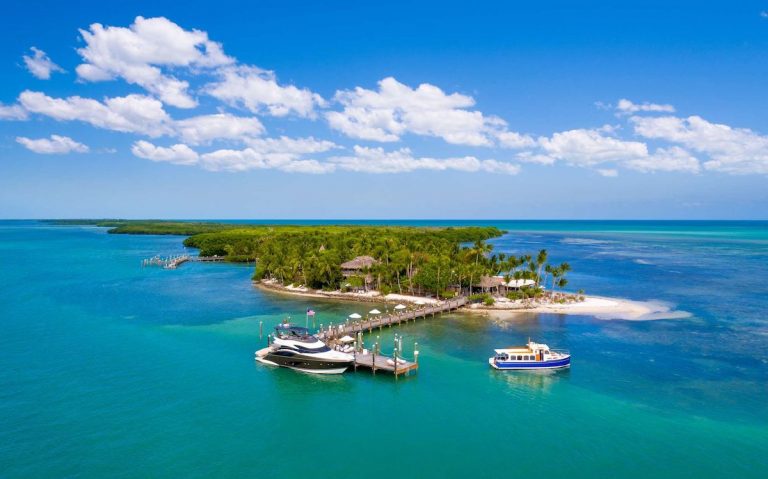
Visit Florida’s Historic Coast without leaving home

St. Augustine and Ponte Vedra Beach is a fun place to learn about history and nature. As the health and safety of residents and visitors to the area are paramount, Florida’s Historic Coast is committed to providing travelers with accurate and timely information about traveling to the area safely. In this time of personal isolation, they are encouraging potential visitors to visit virtually.
Here are great locations for the whole family to learn from home about St. Augustine’s fascinating history, wildlife habitats, and activities to plan for a future visit to learn even more.
Oldest Wooden School House Historic Museum & Gardens
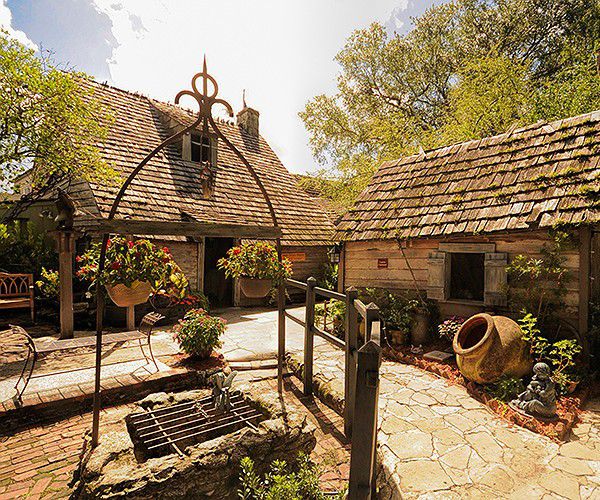
School might be closed but you can still get educated on the history of the oldest schoolhouse in the United States. The Oldest Wooden School House Historic Museum & Gardens was established in the late 1700’s as a school for local Minorcan and Greek Children. It symbolizes the settlement of St. Augustine from town to city based on the foundation of the strength and determination of colonists to create a community shaped by their traditions, customs, culture and faith. Visit the website for a lesson on St. Augustine’s Cultural history then plan your summertime old school visit in St. Augustine.
St. Augustine Aquarium
The St. Augustine Aquarium offers grade-appropriate curriculum about creatures in the sea for Kindergarten through seventh grade. While the Aquarium is currently closed to the public, you can still visit the website and click on the Educational Field Trip tab to download worksheets and plan for a future visit to learn more.
St. Augustine Alligator Farm Research Blog
Research reptilians on the St. Augustine Alligator Farm Research Blog. Thanks to research by field biologists, television shows, and their own observant keepers, the understanding of the many fascinating species at The St. Augustine Alligator Farm Zoological Park continues to grow. They cover many topics from crocodilian tooth replacement and comparisons of today’s crocodilian with dinosaurs to crocodile parenting and to what crocodiles eat.
Florida State Parks
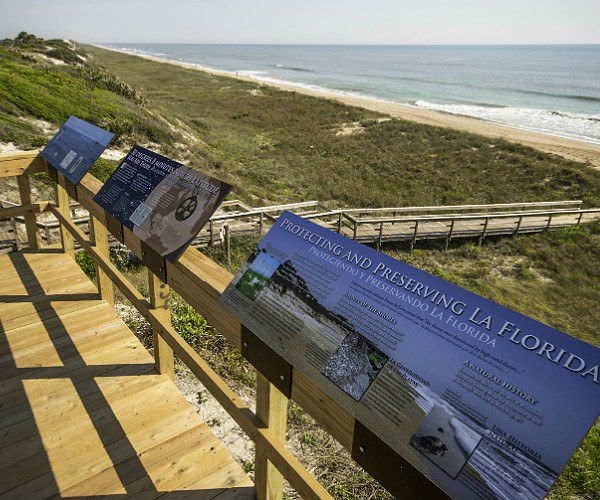
Learn a little more about our Florida State Parks from their learning blog where virtual visitors can explore online the important natural and historic culture of our state. The blog has several stories about historic and natural facts about Florida. For instance, did you know that Florida had the first underground railroad for runaway slaves? Learn more on their untold stories page.
Ripley’s Believe It or Not! St. Augustine
Ripley’s Believe It or Not! St. Augustine features an incredible collection of over 800 UNIQUE, BIZARRE, and INCREDIBLE artifacts. The Ripley Entertainment company is founded on the principle that all people are created equal and deserve to be treated as such. Ripley’s online “Odd is In” educational package helps children come to accept and celebrate all people from all walks of life. Ripley’s also offers curriculum for elementary, middle, and high school-age children. Also, visit ripleys.com/staugustine/group-info/ and select the Field Trips tab where you will find a whole menu of learning choices are available.
Fountain of Youth Park
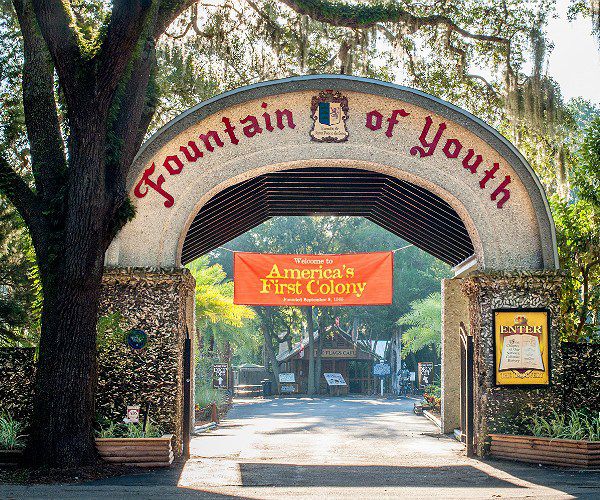
Ponce de Leon’s Fountain of Youth Park is a place where legend meets history. When the park is open, there are several ways visitors can experience the history of First America. Future visitors can learn to explore that history on The Fountain of Youth website through an historic timeline on their website. Explore information about the native Timucuan Indians that were here 5,000 years ago, the discovery of La Florida by Ponce de Leon, the founding of the City of St. Augustine, and today’s archeological research into the history of Europeans in Florida.
Guana Tolamato Matanzas National Estuarine Research Reserve
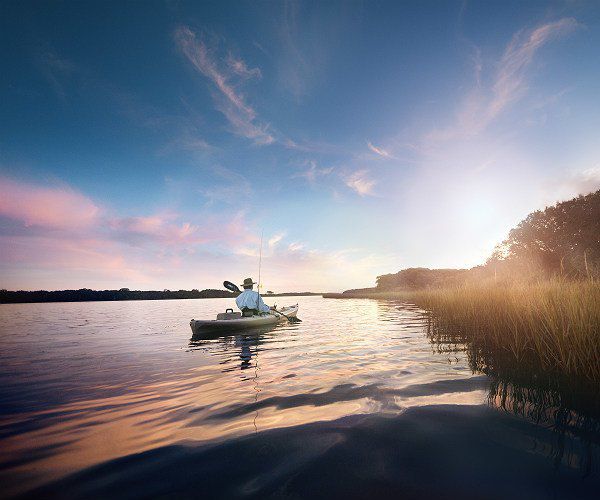
Guana Tolamato Matanzas National Estuarine Research Reserve (GTM Reserve) is a 74,000-acre coastal preserve in St. Augustine and Ponte Vedra Beach that offers programming for all ages on the importance of the estuary. You can learn more about the GTM Reserve’s estuary from the comfort of your own home with student programs, 360 video tours and planning tools for a future visit to explore the estuaries.
Spanish Florida
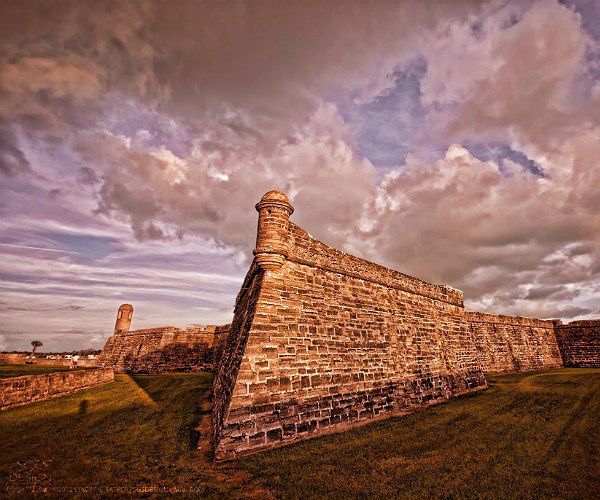
Visit the Castillo de San Marcos website to learn about our nation’s oldest masonry fortification. The Castillo was built between 1671 and 1692 to protect the Spanish City of St. Augustine from raiding pirates and other European cultures encroaching on Spanish Florida. Visit the National Parks website to learn about the history and culture of 16th and 17th century Spanish Florida. Topics covered include the Architecture of the fort, arms, and armaments, the cultural history of St. Augustine, and more.
Alliance of Marine Mammals Parks and Aquariums
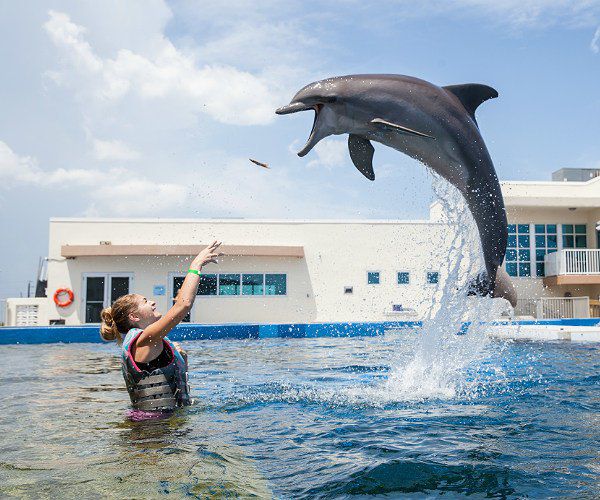
As an accredited member of the Alliance of Marine Mammals Parks and Aquariums (AMMPA), Marineland Dolphin Adventure is dedicated to the well-being of dolphins and other marine mammals in human care and in the wild. Marineland is widely and rightly recognized by the public and by governments worldwide for their important and long-standing contributions to marine education, to the protection of ocean wildlife and habitats, research important to the health of animals—both in our collections and in the wild—and to the rescue and rehabilitation of injured and stranded marine mammals, sea turtles and other animals. Visit the Marineland animal guide to download fact sheets to learn about the different species of marine life at the park (Logger Head and Kemp Ridley’s Sea Turtles, Moray Eels, Bottlenose dolphins and more), then plan to take the Behind the Seas tour or interact with the dolphins this summer.
By Paul Johnson
Top 5 funky hotels in Cape Town

Cape Town is on the must-see list of many travelers. With its buzzy cosmopolitan culture, balmy Mediterranean climate, trendy neighborhoods, and truly remarkable history, Cape Town is one of the world’s most enchanting cities. It’s a city that is very easy to fall in love with and is frequently voted among the top 10 best cities in the world to visit.
If you planning a visit to Cape Town and not sure where to stay, why not try something a little different? These are five of our favorite funky hotels in Cape Town.
The Silo Hotel
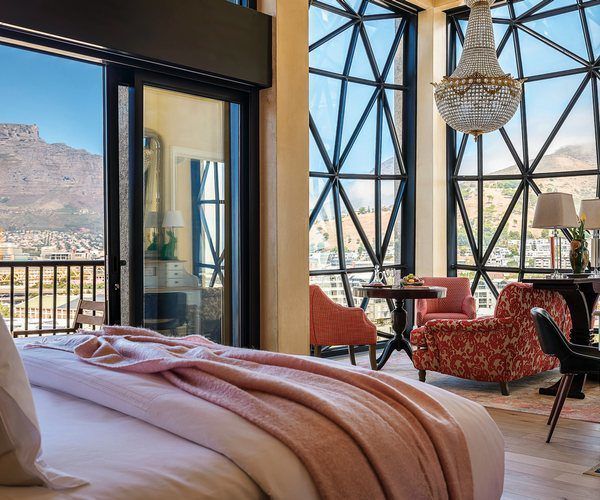
One of Cape Town’s hottest new properties, the Silo Hotel is a magical hotel towering above the V&A Waterfront and makes an ideal base from which to explore all that the city has to offer.
The Silo District was historically one of the busiest areas of Cape Town’s commercial port, and the industrial hub of the city. Whilst the area still a working dockyard, since its redevelopment over the last few years it has also become home to Africa’s largest collection of contemporary African art in the Zeitz MOCAA (Museum of Contemporary Art Africa) and numerous excellent bars, restaurants, and stores.
The Silo Hotel has been built in the grain elevator portion of the historic grain silo complex occupying 6 floors above Zeitz MOCAA. From the outside, the greatest visible change to the building’s original structure is the addition of pillowed glazing panels, inserted into the geometry of the hotel floors, which will bulge outward as if gently inflated. By night, this transforms the building into a glowing lantern or beacon overlooking the harbor.
Inside, the hotel is decorated in an opulent style with an eclectic mix of furniture: colorful sofas and chairs sit under elaborate chandeliers, and the fabrics and Persian carpets in bold colors contrast with the natural woods and metals that are a reminder of the building’s historical past. Guests can relax at the spa, take afternoon tea overlooking Table Mountain, quaff champagne, swim in the rooftop pool, work off the city’s fine dining in the gym or enjoy a guided tour of the museum.
One of the best and most interesting new hotels in Cape Town, the Silo appeals to art lovers, architecture addicts, and style junkies alike.
Radisson Red
Also in the Silo district, the very modern Radisson RED Hotel is within a few minutes’ walk of the V&A Waterfront, and adjacent to the Zeitz MOCAA. This urban city hotel has a young, relaxed vibe with a focus on art, technology, fashion, and music.

The hotel is decorated with simple-but-stylish contemporary furniture and a largely monochromatic palette, with bright splashes of red and occasional accents in other colours. There is plenty of exposed concrete in the rooms and public spaces, and exposed air conditioning ducts and industrial style lighting complete the urban chic look.
As soon as you arrive at the hotel you are aware that this is a little different. There is no large check-in desk, and instead, you check via the self-service terminals or the app that you download to your phone. If you use the app, then you can also use your phone to access your room, order food and drink, contact guest services, and check-out at the end of your stay.
In keeping with the modern feel of the hotel, the guest rooms all feature large, vibrant murals, and come with free Wi-Fi, smart TVs and mini-fridges. The family suites have bunk beds for the kids – complete with a TV display in each bunk!
As well as it’s excellent location only a short stroll from the bars and restaurants of the Silo District and V&A Waterfront, Radisson Red also has a lovely roof space with seating around the swimming pool offering views of Table Mountain and the harbor. As you would expect, the set-up is modern and relaxed, with a deli serving breakfast pastries before lunchtime, and then switching to burgers and sharing platters later in the day. Just in case this set-up sounds a little conventional, cocktails, craft beers, and other drinks are served from the bright red truck which serves as a bar.
15 On Orange
The Company’s Garden is a large park in the center of Cape Town that was first established in the 1650s as a refreshment station for the ships of the Dutch East India Company as they rounded the tip of Africa on their way to India from Europe. 15 On Orange occupies a large site near to the Garden and only a couple of minutes walk from the restaurants and bars Long Street, and this glamorous urban oasis with boasts floor to ceiling windows and a huge number of plants is a wonderfully relaxing and contemporary place to stay in the heart of the city.

The rooftop pool bar has great views of Table Mountain & Lions Head as a backdrop and is a favorite spot to relax on lazy summer weekends with both locals and international visitors. whilst the main atrium bar whilst guests at the wine bar in the lobby catch the light of the huge chandelier.
There are 3 major room types in addition to the suites – city view and mountain view rooms are on the outside of the hotel and have fantastic views, whereas the atrium rooms are set around the large atrium in the center of the hotel. Whilst the atrium rooms have some funky-looking suspended chairs they lack natural light and can be noisy, so the mountain view and city view rooms are definitely the ones to go for here.
The Grand Daddy
The Grand Daddy is one of the longest established funky hotels in Cape Town and boasts a fantastic location among the restaurants, bars, and clubs of Long Street in the heart of the city. Housed in a refurbished Georgian building, the GrandDaddy blends the maturity and grace of the original building with a youthful energy that comes from it’s fun and funky design.

All of the rooms are colorful and modern, but the real talking point and focus is the roof, where there is a lovely rooftop bar and 7 vintage Airstream trailers which operate as guest rooms complete with a queen-size bed, wet room with shower and w.c., TV, Aircon, and a mini-bar. The trailers are all brightly decorated to an overall theme of a road trip around South Africa, with each trailer decorated to represent a particular area or activity such as the Winelands or a safari, etc. These are probably the most unique hotel experience in the middle of the town and are highly recommended for anyone looking for something really unusual in the heart of the city.
The Marly
Camps Bay, under the Twelve Apostles mountain range, is a chic suburb on Cape Town’s trendy Atlantic Seaboard, a mere 7 minutes from the center of the city. Sidewalk cafes, bars, and a casual, relaxed atmosphere make this spot a beachcomber’s paradise, and as it faces west across the ocean it is one of the city’s top places for an early evening drink to watch the sunset before heading out for the evening.

The Marly has an enviable location right in the heart of Camps Bay, and offers beautiful ocean views from its sea-facing suites and public areas. At first glance the decor is far more subtle than the other hotels featured on this list, however, there are many beautiful design touches and unusual furnishings that distinguish this from the tasteful-but-dull decor of many hotels. There are plenty of ornately framed mirrors, film-set style lighting, and floral painted skulls that mean that each room and space has its own character.
By Paul Campbell from www.travelbutlers.com
737 MAX Inches Closer to Re-Certification
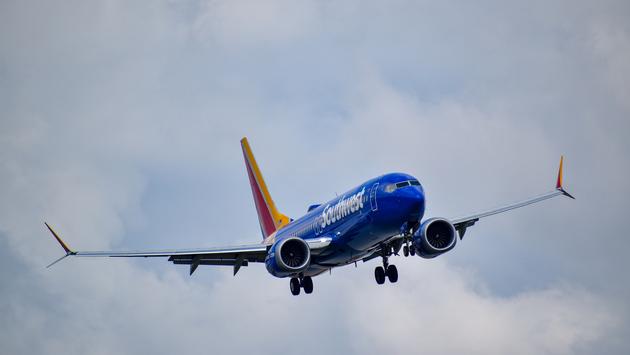
The troubled Boeing 737 MAX is inching ever so closer to getting back in the air.
Civil aviation authorities and airline flight crews from the U.S., Canada, Brazil and the European Union will be meeting Monday in London to review Boeing’s proposed re-training of pilots and flight crews who would be working the 737 MAX planes.
That’s according to ABC News, which spoke to officials from the Federal Aviation Administration.
It’s a significant step for the aircraft. The 737 MAX has been grounded for commercial flights since March 2019 after two separate crashes killed 346 passengers and crew. From June 29-July 1 of this year, FAA test pilots and engineers flew a 737 MAX and put the plane through various scenarios to evaluate the changes Boeing made.
On Friday, the EU Aviation Safety Agency also completed its test flights of the Max in Vancouver, British Columbia, due to COVID-19 travel restrictions. Canada completed its own independent test flights in late August.
Airlines have been forced to park nearly 2,000 aircraft as the demand for air travel remains suppressed amid the COVID-19 pandemic. In late July, Boeing said cancellations continued to outpace new orders, but new orders are nonetheless coming in.
New England’s best luxury hotels
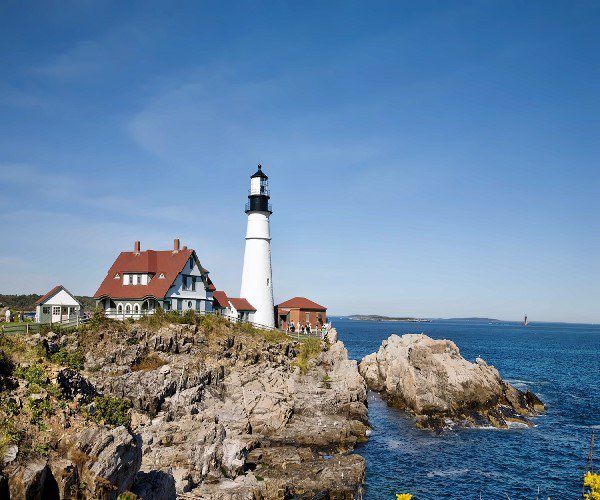
When it comes to picturesque landscapes, seaside sunsets, and rich cultural heritage, there are few places in the New World that can compare to the New England region of the United States. From Maine down to Maryland, this countryside of seaports and cities is rich in history and patriotic spirit. The birthplace of the dream they called “America,” these states are home to some of the most beautiful resorts and luxury hotels in the country.
Whether you’re looking for a tranquil place to relax in the heart of the wilderness or a stay in Manhattan with plenty of things to keep you occupied, this area can make for a fantastic vacation, planned event, or business trip.
The Liberty. Boston, Massachusetts
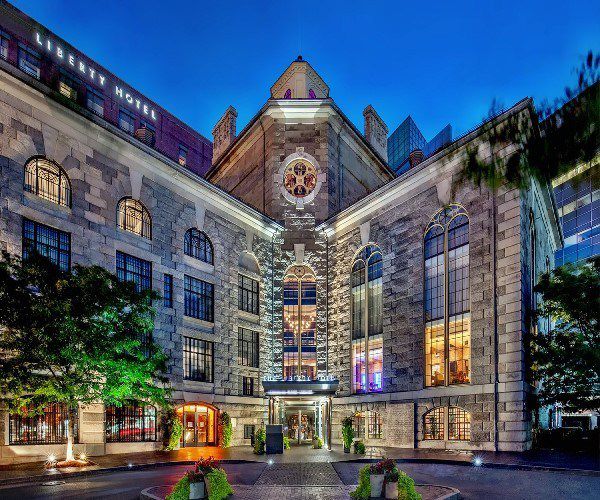
Located at the foot of Beacon Hill, The Liberty Hotel is a unique blend of historic scenery and modernized luxury. Built-in the old Charles Street Jail, a national historic landmark built in 1851, this cathedral-like design features 298 rooms and suites offering sweeping views of the Charles River and the picturesque skyline. The 6,000 square feet of meeting and event space make it a great place to throw a soiree, either personal or for business.
Amenities at the Liberty include high-speed Wi-Fi, Valet Parking Available, Concierge Services, as well as a 24-hour business center and a 24-hour Fitness Center. 24-Hour In-Room Dining is available through exquisite room service.
The suites themselves are very well put together for any and all discerning guests, including in-room safes, high-speed internet, HD-LCD TV, in-room private bars, and even an overnight shoeshine service. Spend a Saturday at an exclusive Yoga Classes taught by instructors from Equinox, the 24-Hour Fitness Center, a complimentary jogging map of Boston, and even bicycles available to take out seasonally.
Grace White Barn Inn & Spa. Kennebunk, Maine
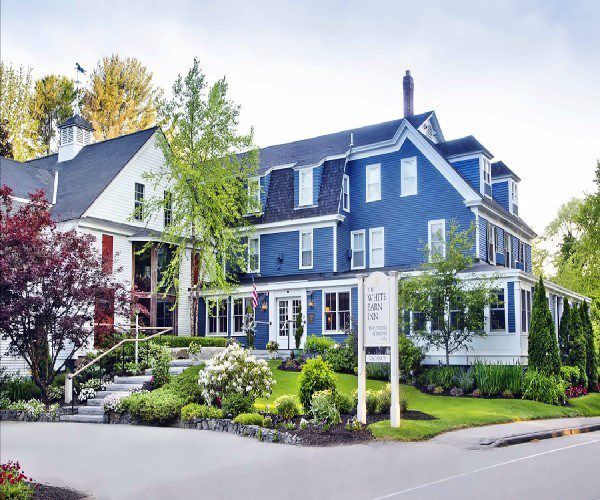
The White Barn Inn in Kennebunk has been welcoming guests for 150 years. The place is known for its art galleries and beaches. The hotel is a farmhouse and offers 26 rooms. The hotel is open all year except for 2 weeks in January. The pool is heated in winter, and the hotel offers its guests a memorable stay in every season. The restaurant, in particular, is very well known – only local products are processed here, and everything is prepared in-house. Their tasting menu takes the guest on a culinary journey. This hotel is part of the Relais et Chateaux group. The White Barn Inn is not a family hotel – couples and those seeking quiet feel at home here.
Inn by the Sea. Cape Elizabeth, Maine
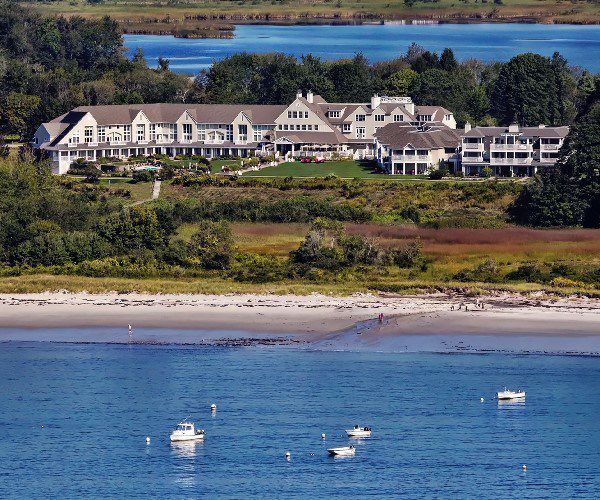
Maine is known to be one of the last pure wilderness states in the USA, but no one said “untamed” had to mean “bereft of opulence.” The Inn by the Sea is a great way to experience this northern state, and it’s evergreen forests and rocky Atlantic coast in the most luxurious way possible.
Inn by the Sea is located just fifteen minutes from the city of Portland, Maine, and stretches along a mile of sandy beaches braving the harsh Atlantic coast. The sixty-one guest rooms suites are perfect for solo travel, couples, or even family outings. Enjoy local fare served with flare t the Cape Elizebeth restaurant, and finish the day treating yourself to a grand spa treatment before snuggling up on the beach with fire as the loons call out across this oasis of luxury in America’s last wilderness frontier.
The Ocean House. Watch Hill, Rhodes Island
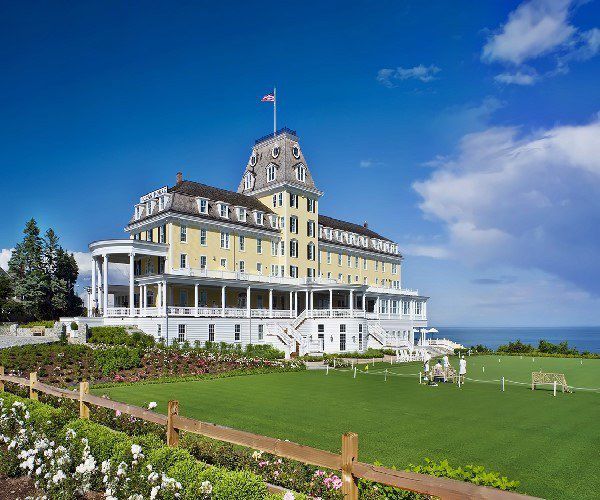
This luxury hotel has only 68 rooms and is located directly on the sea. On a beautiful day, you can see Montauk and Block Island from the hotel. Art lovers will get their money’s worth here because there are numerous works of art to be discovered throughout the hotel. There are around 20 galleries in the vicinity of the hotel, which invite you to see them. In the kitchen of the house, great emphasis is placed on local dishes. If the sun should hide, the Ocean House offers a 20-meter indoor pool filled with salt water from the Atlantic. Ocean House is not a family hotel and does not offer any children’s programs. But wine tastings are provided for the adult generation. Don’t miss the Sunday brunch, which is accompanied by jazz or blues concerts.
The Pitcher Inn. Warren, Vermont
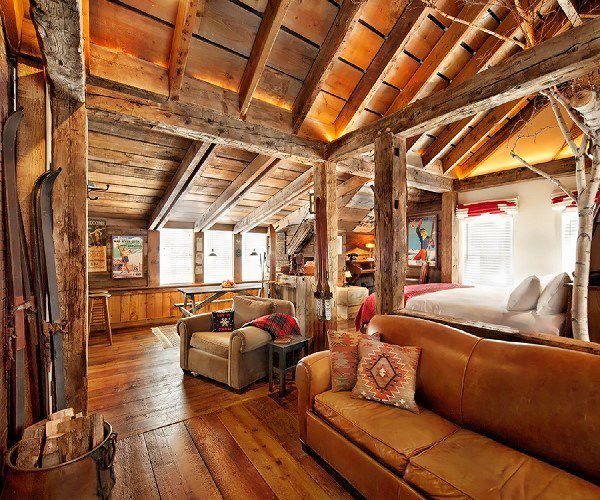
Though one of the smaller states in this compact region, Vermont boasts some of the most beautiful scenery to be found in the United States. With mountains caped in forests ablaze with color during the fall, you’ll find that nature itself feels luxurious in this New England state. That’s is, till you walk through the doors at the Pitcher Inn, Vermont’s first luxury accommodation for those looking to escape the hustle of life but not the joys of modern comforts.
The inn here is reminiscent of a lodge, in that the elegant woodwork put into the structure is basked in the radiance of American Craftsmen’s artistic work at it’s finest. Built in the heart of ski country, this inn has all the amenities you’d expect as well as some exclusive deals with the local fine dining establishments a mere walk from the hotel’s front door.
Whether you’re looking for an escape or a city that never sleeps, New England has been a place of excitement and culture since the pilgrims first settled at Plymouth in Massachusetts. With its sprawling mountains, wide rivers, and rocky sea coasts, New Englanders take pride in the place they call home, and every luxury hotel here is a first-class stop to a beautiful, historical region that will leave you with millions of options when seeking your next getaway or business excursion. Whatever the case may be, these small states have a place for you to bask in relaxation, and an adventure to every taste is just waiting behind their doors.
Guido Graf is the Founder of Privateupgrades. Privateupgrades is a global luxury travel club with over 20 years of experience in luxury hotels, ensuring exclusive VIP privileges like upgrades, free breakfast, free nights, rate discounts, free airport transfers, free massages, and much more.
By Guido Graf
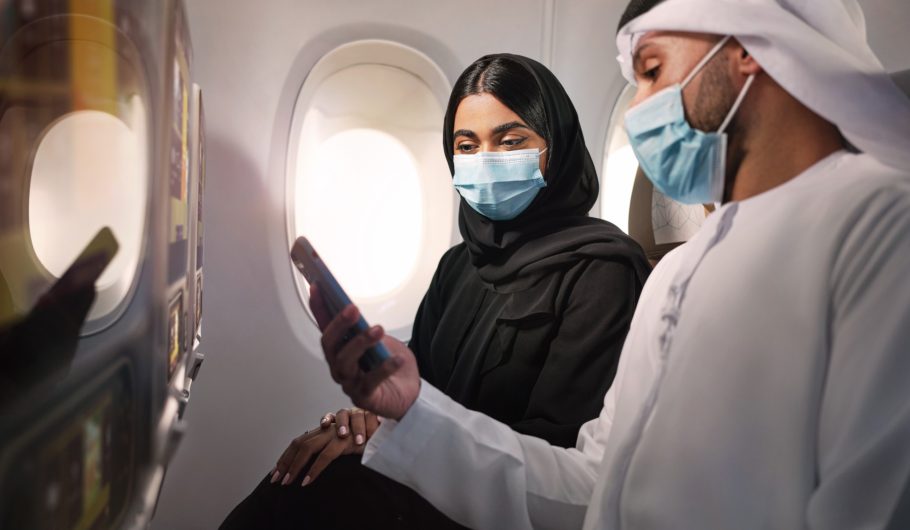
Etihad Airways keeps guests protected with global COVID-19 insurance

Etihad Airways, the national airline of the UAE, is introducing COVID-19 global wellness insurance cover as part of Etihad Wellness, the airlines new health and hygiene programme.
Guests who are diagnosed with COVID-19 during their trip won’t have to worry about medical expenses or quarantine costs when they fly with Etihad.
Duncan Bureau, Senior Vice President Sales and Distribution, Etihad Airways, said: “The safety, health, and well-being of our guests and employees is our top priority, during and beyond the flight. The introduction of global COVID-19 insurance, in partnership with AXA, builds on stringent measures already in place as part of our Etihad Wellness programme, championed by our Wellness Ambassadors.
“This additional cover will not only instill confidence to travel but also reassure our guests that we are doing all we can to keep them safe and protected. As more countries start opening their borders, we are making it as easy as possible for our guests to plan their next trip, hassle free.”
All Etihad tickets regardless of date of booking, traveling between now and 31 December 2020 will include COVID-19 insurance. Guests with existing bookings don’t need to do anything – they are automatically enrolled into the programme. The insurance is valid worldwide for 31 days from the first day of travel.
Adelane Mecellem, Chief Executive Officer Asia, Middle-East, Turkey and Africa, AXA Partners, said: “At AXA, we are focused on improving the customer experience and wellness of individuals during these times. As such, we are proud to partner with one of the world’s leading airlines, Etihad Airways, and provide their extensive loyal travellers with new protection solutions when needed most.”
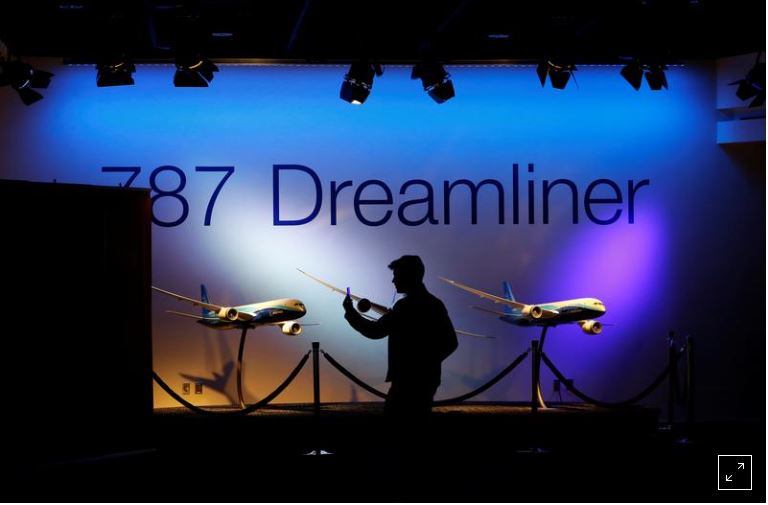
FAA investigating manufacturing flaws in Boeing 787 jetliners
The U.S. Federal Aviation Administration said Sunday it is investigating manufacturing flaws involving some Boeing 787 Dreamliners but said it was too early to say if it will require new inspections
Boeing said in August airlines operating its 787 Dreamliners had removed eight jets from service as a result of two distinct manufacturing issues in fuselage sections.
The FAA could require inspections covering hundreds of 787 jetliners after production issues at one plant, a person briefed on the matter confirmed. The Wall Street Journal reported the potential inspections earlier, citing an internal government memo and people familiar with the matter.
“The agency continues to engage with Boeing,” the FAA said Sunday. “It is too early to speculate about the nature or extent of any proposed Airworthiness Directives that might arise from the agency’s investigation.”
Boeing said Sunday “the rest of the in-service fleet has been determined to meet limit load capability, and we are inspecting production airplanes to ensure any issues are addressed prior to delivery.”
Boeing said some airplanes have shims that are not the proper size, and some airplanes have areas that do not meet skin flatness specifications.
“Individually these issues, while not up to specifications, still meet limit load conditions. When combined in the same location however, they result in a condition that does not meet limit load requirements,” Boeing said.
In the memo dated Aug. 31, Boeing told FAA that it had manufactured some parts at its South Carolina facilities that failed to meet its standards, according to WSJ. (on.wsj.com/33li4vp)
Such a safety directive could potentially cover up to about 900 Dreamliners delivered since 2011, the person briefed on the matter confirmed.
It is not clear how many airplanes may have just one of the two reported issues.
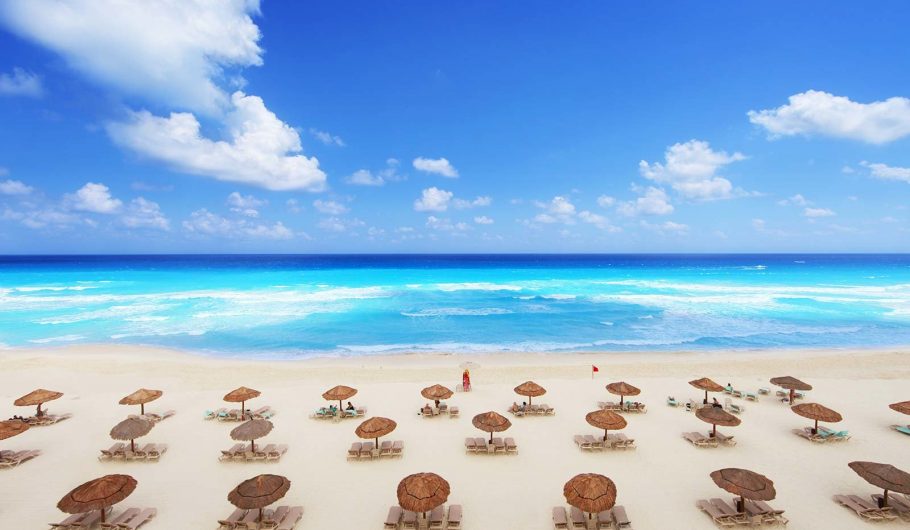
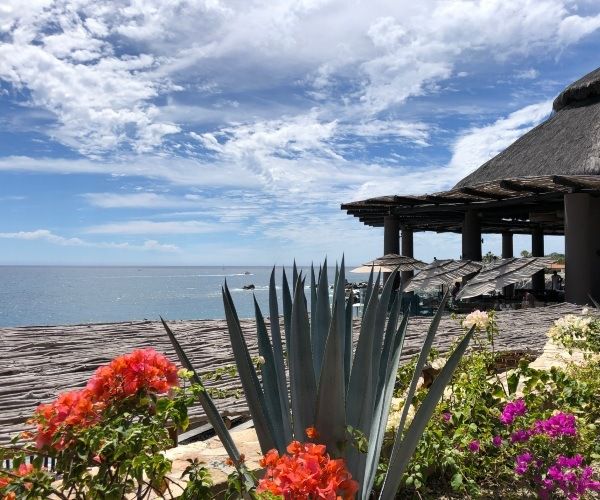
An escape to Cabo San Lucas on the edge of a pandemic
It’s March 11th. Our President has just announced that all US nationals must return from Europe. There is panic at airports, and at universities, where students are studying abroad. There is panic overseas as Americans scramble to get home within the stated two-day window. There is panic everywhere, it seems. I panic, too.
Later that night, my husband, Daniel, and I go back and forth about whether we go away as planned or stay home. It’s spring break, that coveted two-week bridge between winter and spring, cold and hot. We agree—we will stay. An hour later, we agree again—let’s go. The next morning, we agree one more time—we should stay. Rarely are our views in such alignment! Somehow though, it isn’t very comforting.
We are aware that this might be our last family holiday for a while, our last flights for even longer, and that we are taking a chance, slipping through a loophole. We know our family would benefit from time away, together, and outside of the escalating chaos. We realize that if we go, things will most certainly look much different when we return.
We organize ourselves. Prepare to turn around upon touchdown, or, to stay indefinitely. We pack accordingly. Eight bottles of Theraflu, six canisters of disinfectant wipes, four large containers of Purell, and four minis for the plane. Is that enough? Are we really going? What did we agree upon again?
It’s March 14th. We lift off.
Touching down
When we landed in Cabo San Lucas, we were immediately aware that this holiday was going to be unlike any other. One telling sign was that our plane, which would normally be booked solid at this time of year, boarded only 30 passengers. Social distancing, a term that was swiftly creeping into our daily vernacular, was not an issue.
The days ahead would be inherently more reflective, and heavier with the uncertainty of the future. This trip was going to be, I thought, inked in my memory—and not for the usual reasons.
The oasis of Esperanza
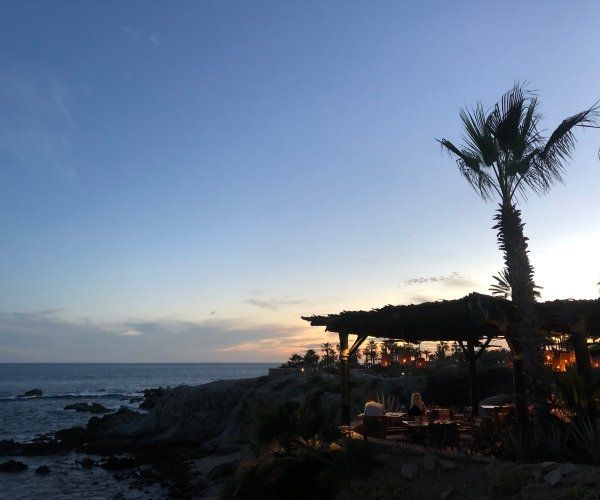
Often, I write about the feeling of a destination, the overall gestalt—to use a theory that would make my art history professor beam with pride. Gestalt is when the brain simplifies and organizes ideas in a way that is more user-friendly and easier to process. For instance, describing the way the linens felt, or guessing which combination of spices was in that unforgettable soup I devoured. How the resort organically settles into its surroundings, or not. Details that prove to be important in the world of inspirational travel. Details that also make for pretty sound bites.
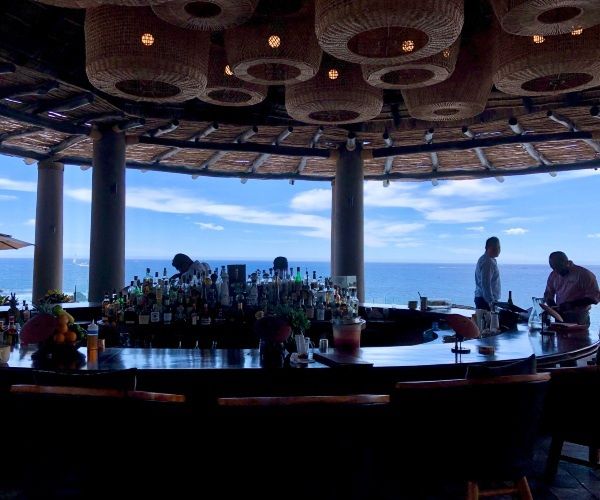
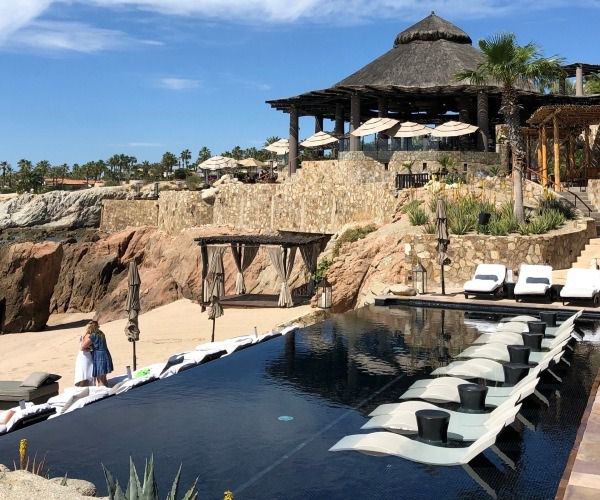
The Esperanza resort, as anyone can see from photos, is a stunning property that sits upon a jagged cliff above the Sea of Cortez. There is much I can say about the beauty, both natural, and man-made, of this Auberge-owned hotel.
In this post, I am going to focus more on the feelings that made our time in Mexico worthwhile, to illustrate the emotional piece of the trip. I’m also going to write about the whales.
The comfort of daily rituals
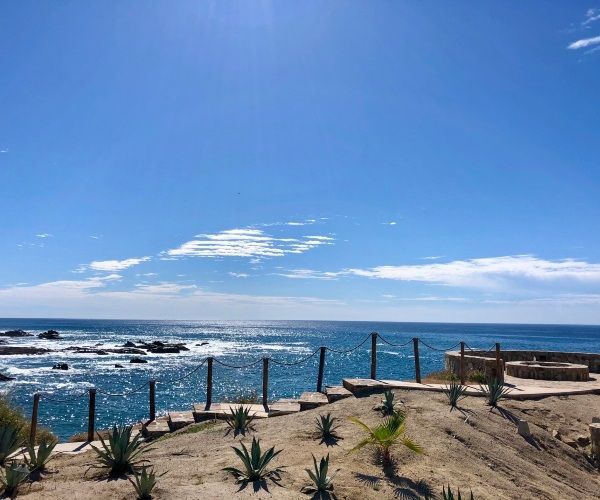
The main restaurant at Esperanza, Cocina del Mar, is an aerie—as easily suited to hawks as humans, perched high above a small beach. Each morning, the kids raced to a large, circular landing at the restaurant’s entrance to catch a glimpse of the daily sand drawing. We all attempted to guess what it might be—an owl, an octopus, an iguana? This part of the day became one of my highlights. It fascinated me how the simplest things could evoke so much pleasure. Perhaps the idea of a surprise, no matter how small, was needed at this point in time.
I fell into a comfortable daily ritual. Each morning at breakfast, I ordered a wellness shot made of turmeric root, lime juice, pineapple, and ginger. I wasn’t really keen on its robust taste or its jarring school bus color but wistfully imagined its medicinal value could keep a virus at bay.
Next, I looked at AppleNews on my phone, giving myself a 10 minute maximum of reading time, as it made my blood pressure rise. Wasn’t I here, in part, to escape the news cycle—which was inconsistent, filled with misinformation, and designed to terrify?
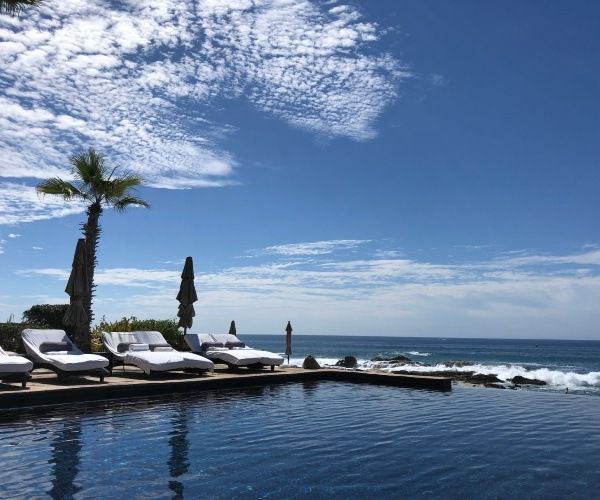
Lastly, I looked at the sea, training my vision for the tell-tale puffs of air that signaled a whale’s presence. Some mornings they popped through the surface like champagne corks on New Year’s Eve, and other days, they were much more elusive. My morning routine settled me, the whale spotting became another highlight and gave me restorative moments of calm. By our second morning, the waiters knew my order, where I liked to be seated and had a pair of binoculars on stand-by.
During our stay at Esperanza, the world outlook became increasingly bleak and the news became direr. I woke up each day, wondering if this was going to be our last here—that this would be the day that we would pack up and go. I relied upon the whales to ground my spinning thoughts. Days passed quietly.
Colors of Cabo
The color palette of Esperanza mimicked the landscape. Pale blue, deep inky blue, warm beige, and foamy shades of white—colors that were naturally soothing. Rolling waves edged up, and then crashed below, the rocky promontory where I sat, showing off as if they were a slo-mo video capture for the latest iPhone advertisement. Who knew how deafening the sound of the sea could be until you had all the time in the world to listen?
The light was so pretty it appeared to stick to the textured rock formations along the beach. Several hundred wet, black crabs moved as one over them, giving the impression that the rocks were fluid, rather than solid. The gestalt theory again, and the principle of ‘common fate’—that our brains will group together individual things that move in a similar direction, and consider it one stimulus.
I watched the cast of crabs (that is the technical term, trust me, I just googled it) scuttle as a unit, and immediately felt my blood pressure drop. Why don’t I watch the Discovery Channel more often, I thought? Wildlife viewing—an organic cure-all.
A pair of iguanas played peek-a-boo around the oversized boulders near the pool. I gathered they were the resident reptiles, and many days I caught them looking for the whales alongside me.
A staff full of kindness
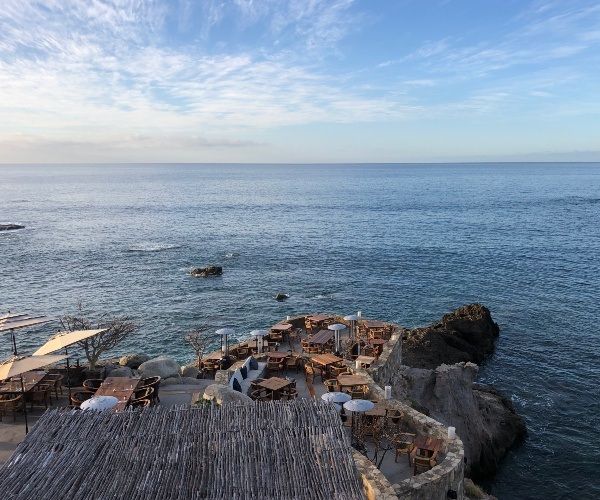
It was clear early on, that the resort was overstaffed, having prepared for the normal onslaught of families from around the world to fill their swimming pools, belly up to their bars, and keep the tennis pros on their toes. The resort, a mix of suites, villas, haciendas, and casitas, looked to be at about 40% capacity when we arrived. At the time we departed, there may only have been about 40 guests left.
Waiters glided about the palm-thatched, open-air restaurants, never forgetting an extra wedge of lime for a beer, or the preference of almond milk over a cow. At Esperanza, attentive service was par for the course, served daily with warm, engaging smiles.
I was ever-impressed by the above and beyond kindnesses, the silent and unsaid courtesies that were extended to everyone, by everyone, all of the time. It was as if the pool staff, waiters, and groundskeepers, all knew that something was changing and that it may be a while before they returned to any sense of normalcy. They were right.
It’s all in the details
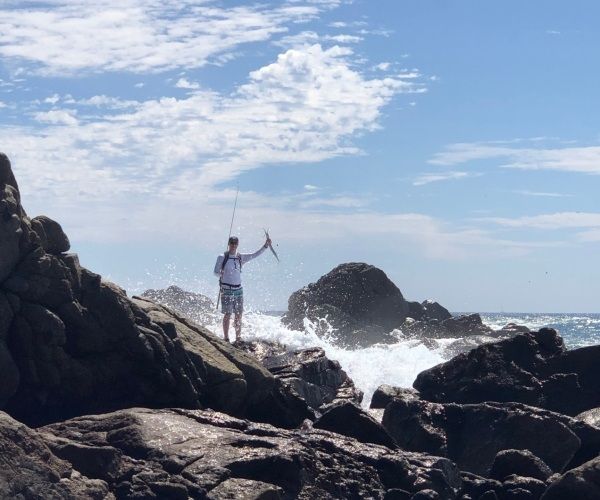
We took advantage of the small bubble we found ourselves in that week. Our family bonded together in a different way than usual—a precursor for the weeks of togetherness ahead.
My son and husband went on a few long desert runs, harassing the rabbits along the paths. The kids rode waves with local surf instructors. I spent hours coloring with fine-tipped markers on the quiet balcony of our room—my current obsession. The kids made Tik Toks—their current obsession. All of us tore through books, having brought stacks from home, just in case.
I treasured any moment that got me past recurring doomsday thoughts. The lulling beach hammock, the statuesque iguanas, the pool attendants who wore pins that cheerfully cried; ‘Yes way, rosé!’. The serendipitous moment I photographed a fisherman just as he reeled in his catch, and the way he held up his prize to me. I was a stranger with a camera firmly aimed in his direction, and he posed proudly. The prismatic sunsets each night belied the world’s dark moment.
The intrinsic beauty of Esperanza was seen, and felt, inside and out. The 17 acres of lush, well-kept grounds, complete with an idyllic koi pond, and kid-centric activities like a bocce court and a life-sized chessboard. The nightly bonfire on the terrace of the main entry—these all contributed to the escape from reality we were seeking when we nervously boarded that plane on March 14th.
Finally, the whales
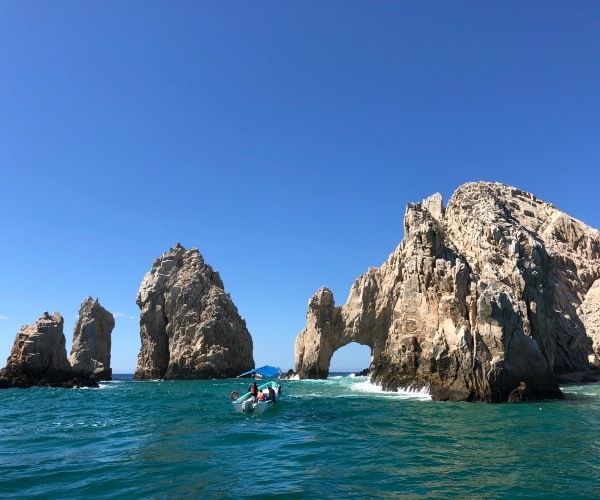
On the day that would become our last full day in Mexico, we spent a few hours at sea searching for whales. The boat picked us up from the pier, and we leisurely motored past the Arch of Cabo San Lucas. This natural rock formation, teetering on the brink of collapse, is located at the southern tip of the Baja Peninsula. Normally, it is overrun with tourist boats competing for pole position. We nearly had it to ourselves.
The captain was well-versed in all things whale, not surprisingly, and had a keen eye for spotting them, even from unfathomable distances. Yet, as prepared as we were to see the whales—witnessing the slow-motion corkscrew movement of one breaching in front of our eyes was nothing short of heart-stopping. The whales’ powerful and muscular bodies were awesome, their tails slapped the water like pancakes being flipped by a short-order cook.
Minutes later, as if the universe was saying; ‘You’ve seen all there is to see here, don’t push your luck.’, a burst of texts from friends alerted us of recent world developments. ‘The US borders were closing.’, they wrote, ‘Come back.’
Our time was up.
Heading home
We had managed six days out of twelve in Mexico, each one a bonus, in my eyes. At breakfast, wellness shot in the hand, I thought that if Esperanza does anyone thing to perfection, it is dining. Even the indoor seating felt like outdoor seating, with transporting views, regardless of the time of day.
Over the course of the week, I noticed the guests who had canceled their trips by their absence on the neatly spaced pool loungers. (Loungers that would have been annoyingly spoken for by 8 am each day.) I noticed the lack of family chatter and light holiday laughter at the empty seats of the restaurants. It was a quiet, self-reflective, spring break. Not exactly what we’d had in mind when we booked so many months ago, but lovely, nonetheless.
My mind filled in the gaps. Another principle of gestalt—closure. In design, it’s the way that the brain will automatically fill in any missing pieces of an image in order to create a whole. What missing pieces will I decide to bring back into my life, and what pieces will I purposely leave out, when we return to what everyone refers to as ‘normal’ life?
Esperanza will once again fill its swimming pools, its bars, and its suites. Likely, it is filling up as we speak, as some restrictions loosen, and people decide they need a break. That they don’t want to cook, go food shopping, or clean dishes. The thoughtful, and extremely capable staff at Esperanza, is waiting. So, are the whales. I’m pretty sure that the whales are waiting, too.
By Jamie Edwards
Homewood Hotel and Spa
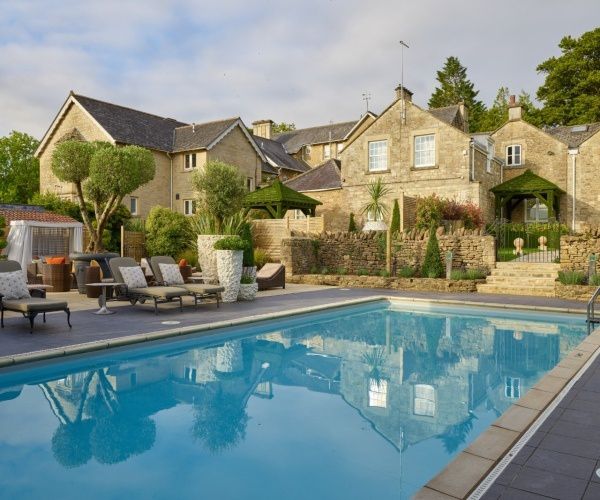
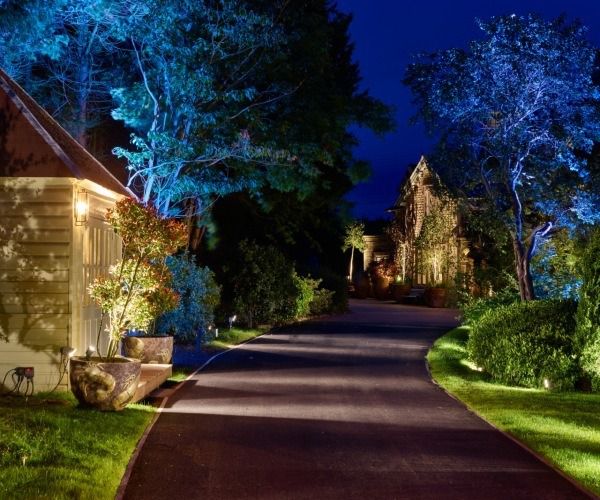
Homewood, in ten bucolic acres of lawns and soaring trees, brings relaxed but stylish Mediterranean living to the rural village of Freshford: palms, olive trees in deep terracotta planters, Goddess sculptures, and modernist art. It’s a taste of the Côte d’Azur slotted between the rivers Avon and Frome. The Mediterranean theme is apt, given that Bath, with its rich Roman heritage, is just five miles north.
Portions of the Cotswold honey-colored house possibly date back to a 13th-century Carthusian monastery, with Georgian and Victorian extensions added through the ages. Homewood is a bold contemporary celebration of eclectic style, particularly in a dining room of a dozen different chandeliers.
Reception is a veritable museum of clocks, over 40 of them drifting seamlessly into a gallery of 1940s Picture Post covers featuring icons of style: Cary Grant, Elizabeth Taylor, Rock Hudson, Sophia Loren, and a young Princess Elizabeth.
The room
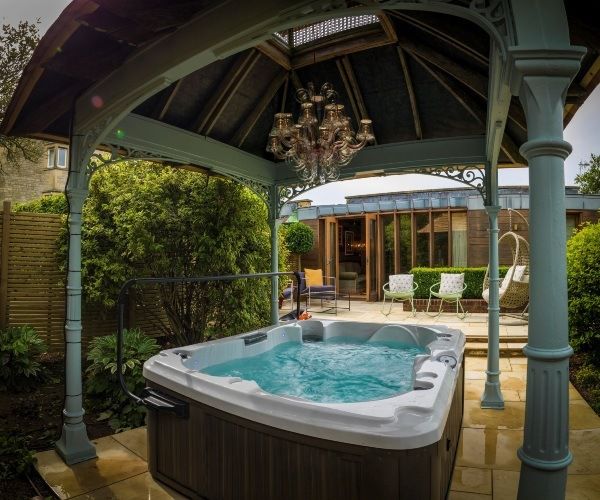
Manuka is a suite with an enclosed sun-trap garden featuring a hot-tub lit by a crystal chandelier, sheltered by a rustic pagoda. Bay-tree topiary, rocking chairs, and padded patio furniture complete a restful garden.
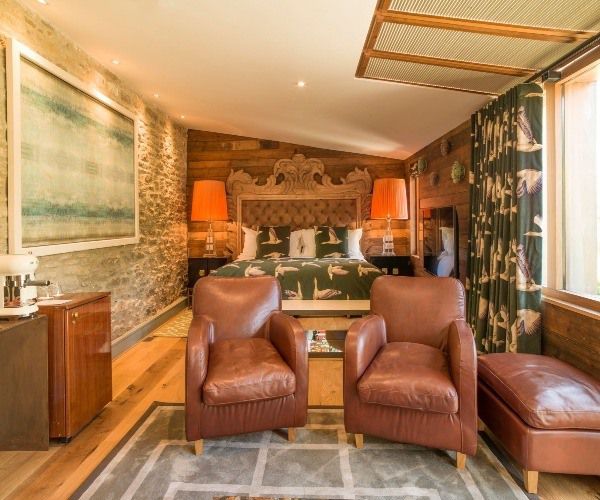
Vibrant pop-art, including a thought-provoking State of Religion collage, adorns a laterally-timbered wall. A vast post-impressionistic canvas is the centerpiece of an exposed Cotswold brick wall.
Throw in Art Deco bedside lamps, a regally-sized bed, and SMEG coffee-maker, and you have homely accommodation that is more like a cottage than a suite.
Facilities
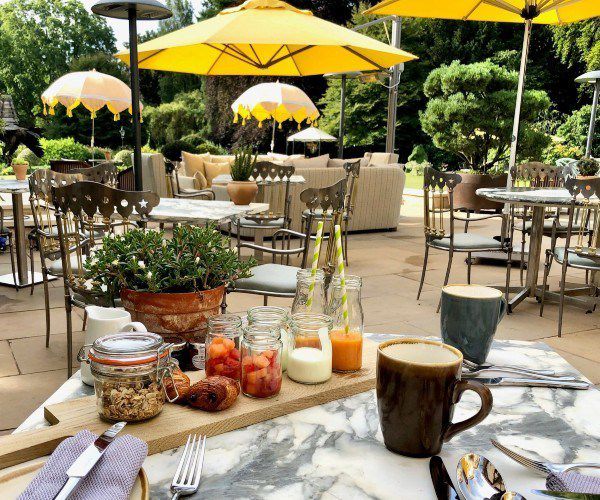
Days begin with breakfast in your room, in the restaurant, or out on the terrace. Although guests order their Somerset full English, full vegetarian English, Shakshuka baked eggs, smashed avocado, or smoked salmon with scrambled eggs the evening before. There is a breakfast board that comes as standard: yogurt, fruit, juice, muesli, and delicate mini-pastries.
Spa treatments include a harmonizing back massage, a Tibetan-inspired body treatment to relieve fatigue and aching muscles plus an energizing and detoxifying scrub that uses the ionizing properties of Himalayan salt crystals.
Location
Early morning there are romantic misty views over the soft Somerset landscape of the Avon Valley. Ancient woodlands, green pastures, quiet pastures, and the banks of the River Frome are all within walking distance as are a medieval hall, Palladian homes, and simple weavers’ cottages. There are great views of the landscape from the hot tub.
Five miles to the north, there is Bath. Prior Park Landscape Garden gives the best view for photographs of the Palladian Bridge. Down in the city, there are the Roman Baths, the Fashion Museum, and independent shops.
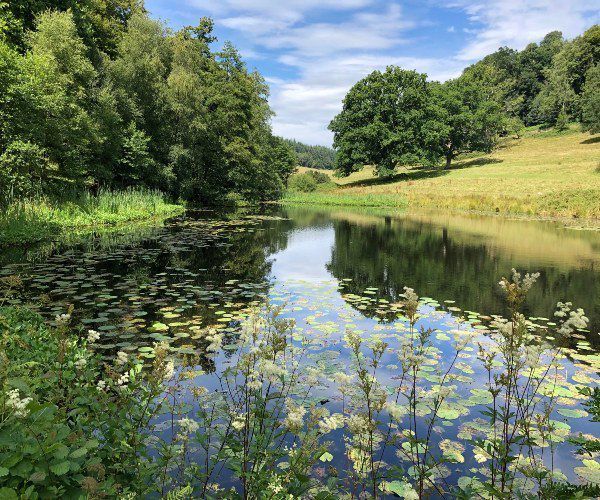
To the south, a 30 minutes drive away, lies Stourhead’s National Trust gardens: including a mile walk around a lake with classical follies and poetic quotations from Homer and Milton.
Other nice touches
Flip-flops and warm Bown robes are supplied for the short walk to the outdoor pool, heated to 28 Centigrade throughout the year. Soon an adventure playground will be ready to keep the kids occupied. You can’t miss it. It’s next to a full-size topiary giraffe. Dogs are welcome with Woof boxes filled with Lily’s Kitchen food and treats. Of course, dogs have their beds.
Cost
Rooms begin at around £185 per night with suites reaching up to £650.
The best bit
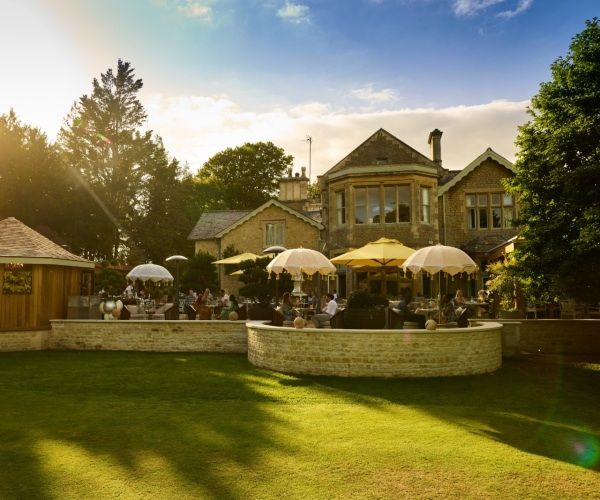
The newly opened Olio terrace is a slice of Mediterranean living with sunflower colored parasols, Coco and Wolf pastel-shade patio furniture with fireplace and patio-heaters if required.
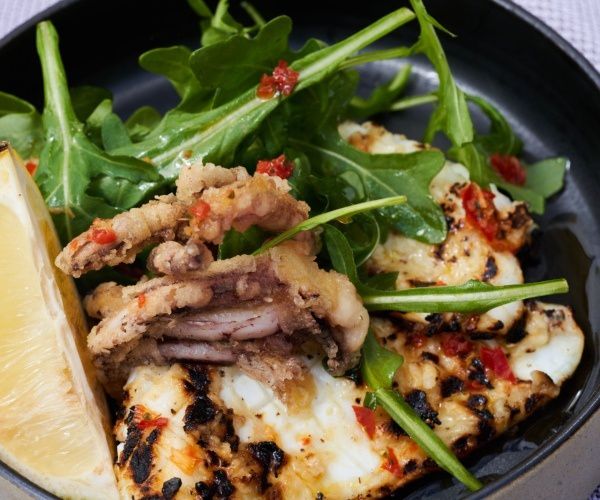
Throughout the day, there is a tapas theme to the menus: small plates such as chili squid, griddled prawns, chorizo scotch egg. Salmon, chicken, and steaks can either be cooked robata, plancha or skillet.
Complex Ottolenghi style salads – such as caponata, pine nuts, red wine vinegar, and bulgur wheat – are also intended for sharing.
The final verdict
Homewood’s collection of bold art is fascinating, always a conversation starter. Soon, the hotel will open another ten rooms in The Lodge, four of them with hot-tub gardens. Two of those with idyllic views over the Avon Valley.
Currently, owner Ian Taylor is collecting grandfather-clock faces, and he hopes that they will feature as a piece of art in one of the new rooms. Then again, he has also acquired 60 hot-water bottles, and they may appear soon. Taylor believes in moving pieces around, creating new collections, drawing guests back to view the latest creative changes.
By Michael Edwards
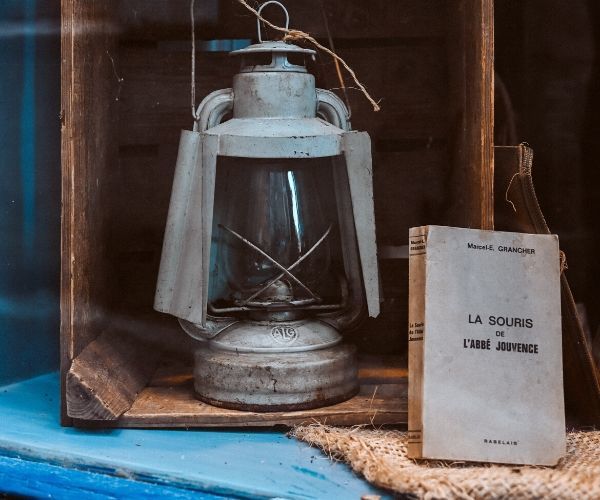
Where to shop for antiques in Paris
With all of its galleries, art dealers, and flea markets, Paris is an antique lover’s dream destination. In French, there is even a verb chiner – which means to search for antiques (much like we would say antiquing in English). If you are an antique aficionado, I hope this list will help you plan your next trip to the City of Lights!
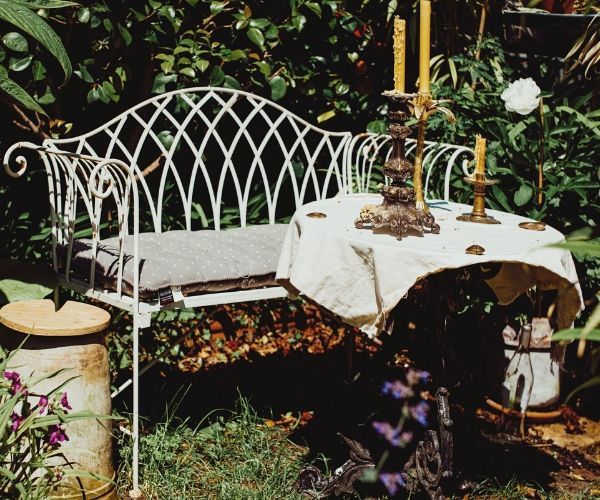
Carré Rive Gauche
There are specific neighborhoods that have a higher concentration of antique stores and galleries. If you cross the Seine River and head towards the Left Bank, you will arrive on the Quai Voltaire – home to some of the most prestigious antique shops in Paris. Quai Voltaire is a part of the famous Carre Rive Gauche district. This district is home to 80 antique galleries and art dealers, all belonging to the Carre Rive Gauche association founded in 1977. The galleries span millennia (7000 years worth of objects), so there is something to be found for every type of collector, whether it be eighteenth-century pieces or mid-century modern furniture. An interactive map of the galleries can be found at the Carre Rive Gauche’s website.
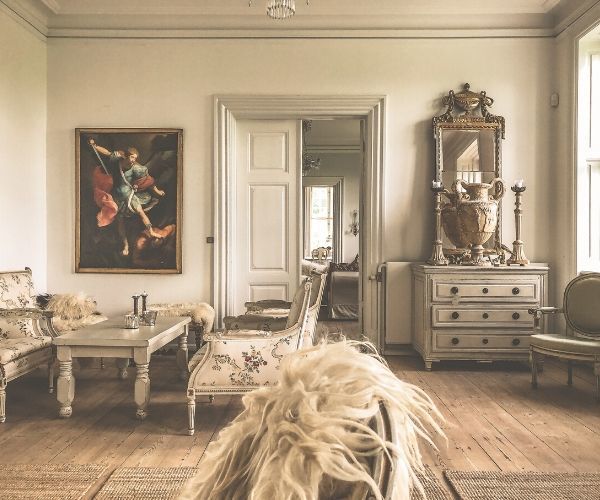
The Marais
A high concentration of antique shops in the Marais neighborhood, notably at the Village St. Paul, an intricate series of small passageways and courtyards home to 80 vintage stores, design galleries, and antique shops. Located between the Seine and Rue Saint-Antoine, you will find archway entrances to the Village St. Paul on Rue St. Paul, Rue Ave Maria, and in the St. Paul and Charlemagne gardens. The Village St. Paul is open every day except for Tuesday from 11 am to 7 pm.
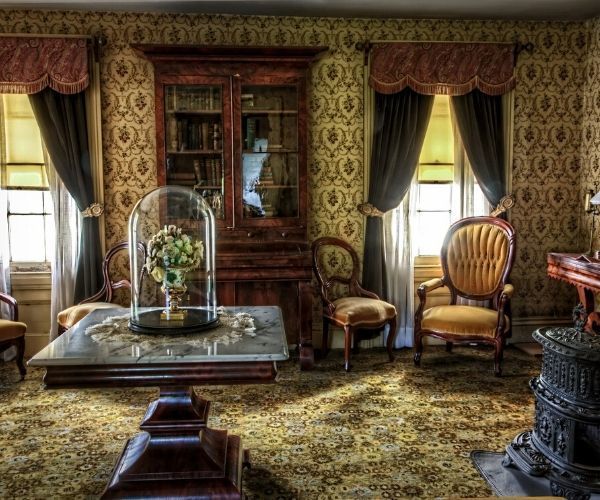
Rue du Faubourg Saint-Honoré
This luxurious Parisian quarter, known as Le Triangle d’Or (the Golden Triangle), has always been home to the greatest names in the industry, found on the streets between the Elysée Palace and the Champs-Elysées.
While you can access these galleries during their open hours, you may want to plan your visit there for the Nocturne Rive Droite. On this evening, most galleries in rue du Faubourg Saint-Honoré, Avenue Matignon, and their surrounding streets open their doors to present their works.
Some of the most important galleries:
Perrin (98 Rue du Faubourg Saint Honoré, 75008) Perrin is one of the greatest specialists in French art from the 18th century. It’s a must-stop for international art experts, interior designers, and museum curators. Perrin represents the art of French taste in different art events every year, namely the TEFAF in Maastricht and New York, the BRAFA art fair in Brussels, and at Masterpiece London. They also collaborate closely with major institutions such as the Château de Versailles and even the Metropolitan Museum of Art in New York.
Galerie G. Sarti (137 Rue du Faubourg Saint-Honoré, 75008) Located inside a beautiful hôtel, Galerie G. Sarti curates exquisite Italian paintings from the 13th to the 15th century as well as furniture and other art pieces, some of which have joined the collections of some renowned European and American museums. They offer a lot of exhibitions in which both experienced collectors and amateurs are welcome.
It’s worth noting that you will also find modern and contemporary art galleries in this area, such as Galeries Bartoux-Saint Honoré, Bernheim-Jeune, Galerie Boulakia, Galerie Hopkins, Malingue, Opera Gallery and Galerie de Souzy.

Auction houses
One of the things everyone should do while in Paris is to attend a sale at one of the famous auction houses in the city. Art houses like Christie’s, the Hôtel Drouot, the Parisian Sotheby’s, Artcuria, Piasa, or even the Hôtel des Ventes du Crédit Municipal de Paris.
All these houses organize many different sales, usually by themes, from chinoiserie to Coco Chanel’s furniture. There are also other types of vintage sales, like photography, fine wines, and spirits, or watches.
Attending a vente aux enchères can be quite the experience – it’s like visiting a museum of decorative arts. You can enjoy the exhibition while joining the bidding, with a bit of luck, you could even take one of the pieces home with you!
Biennale de Paris
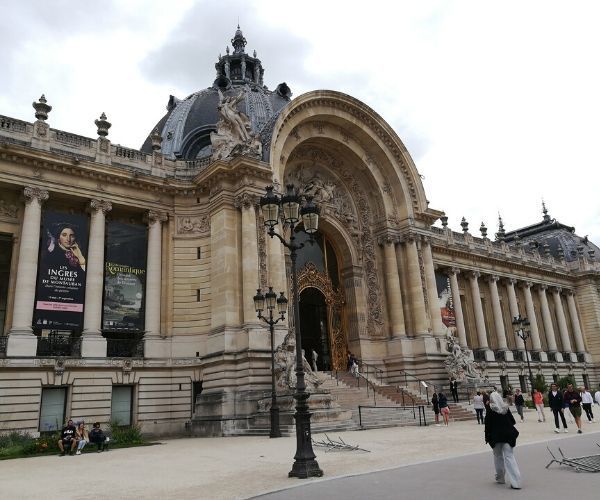
Formerly called Biennale des Antiquaires, La Biennale de Paris is an art and antique fair that was founded in 1962 by the Syndicat National des Antiquaires. Its 30th edition will be held from September 17th to 21st under the impressive glass ceilings of the Grand Palais.
Every year, this appointment for all things luxe à la française brings together exquisite treasures from the most important dealers. About 100 Parisian galleries gather for the occasion, as well as antique dealers, international collectors, and jewelers.
Brocantes
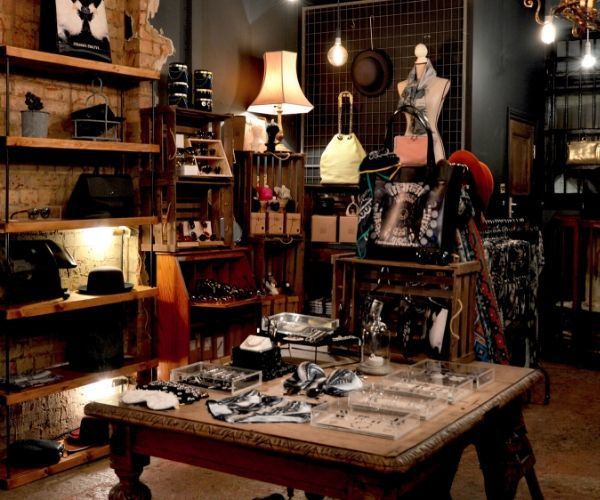
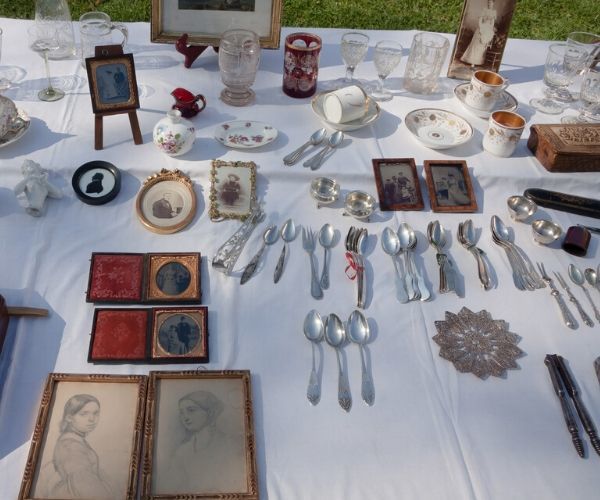
During the weekends in Paris in Spring and Summer, you will find several antique fairs, called brocantes all across the city. Brocantes are markets of professional dealers selling second-hand objects, but the prices will be much lower than what you would find with an antique dealer or in a gallery. One brocante in particular that we are fond of is on the charming market street Rue Cler in the 7th arrondissement taking place on various Saturdays throughout the year.
Paris flea market
The holy grail of antique hunting in Paris is to be found north of the city at the famous Les Puces de Saint Ouen flea market, open on Saturdays and Sundays. It’s the oldest and largest flea market in the world, comprising 14 markets. Five million people a year visit Les Puces. You can find everything from antiques to vintage fashion, furniture, and modern design pieces. Les Puces is worth the visit even if you’re not collecting antiques. You never know just what you may find here and what objects you’ll be able to take home, making unique souvenirs from your trip to Paris.
By Maria Pasca
These Cruise Lines Have Resumed Sailings

Cruising Makes a Comeback
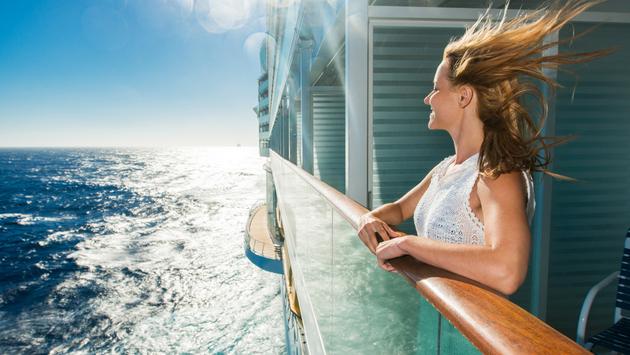
The coronavirus brought the cruise industry to a halt but there are signs of life—in fact, a lot of it. Many cruise lines have resumed sailings once again. Most are located in Europe and Asia.
Unfortunately, none are in the United States but the resumption of cruising is a positive sign for the entire industry regardless of where ships are sailing and a sign that cruising can start again in a more robust manner in the near future.
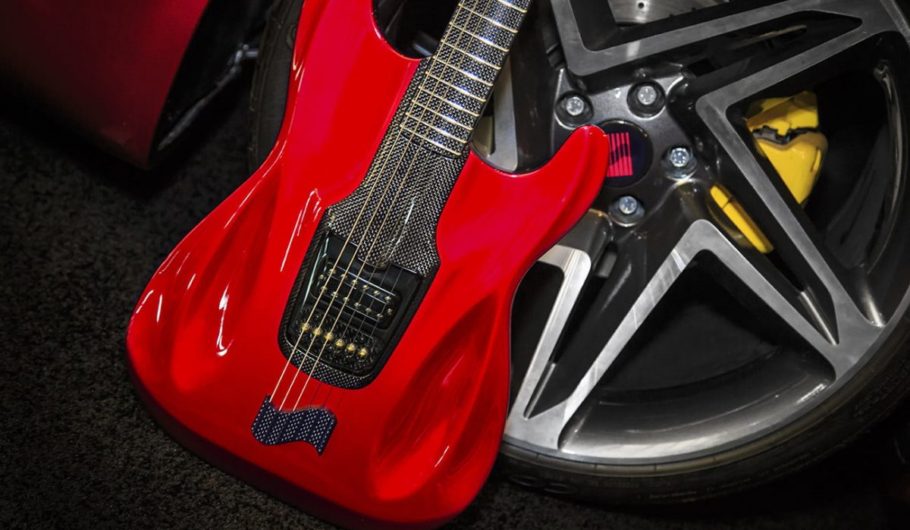
Custom guitars inspired by classic cars
A guitar’s perfect strum is to music lovers as the rev of the engine is to car enthusiasts. For decades, guitars have been inspired by some of our favorite classic cars and hot rods. From exact shades and color combinations to engravings, logos, and body design, these rock n roll guitars are some of the coolest, most customized works of art inspired by our favorite cars.
Fender Stratocaster 1
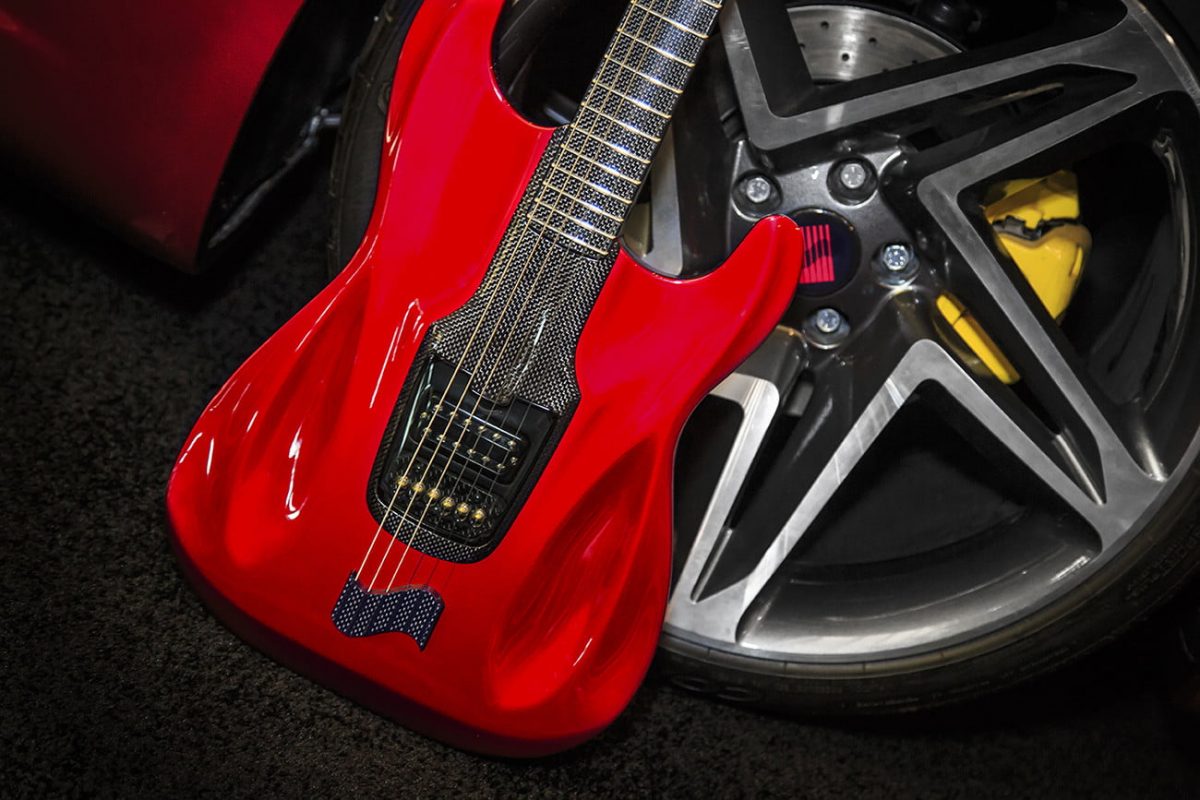
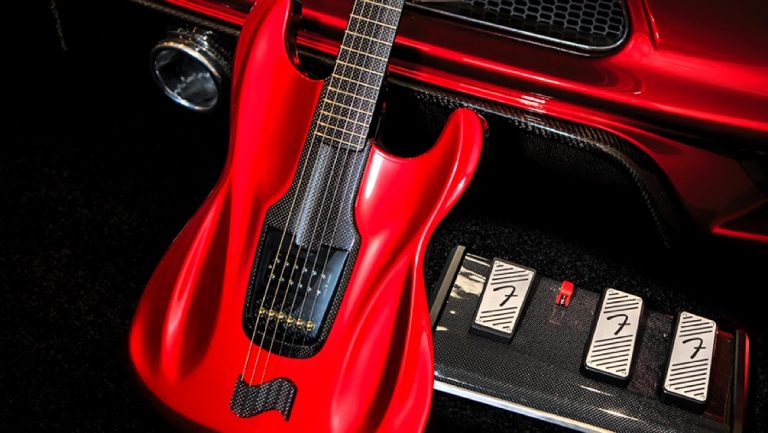
Guitarists know that Fender is one of the leading names in the industry and the Stratocaster took the world by storm, issuing in a dynamic sound since the mid-1950s. Along with car builder Saleen Automotive, Fender has created a custom electric guitar inspired by the Saleen 1 sports car.
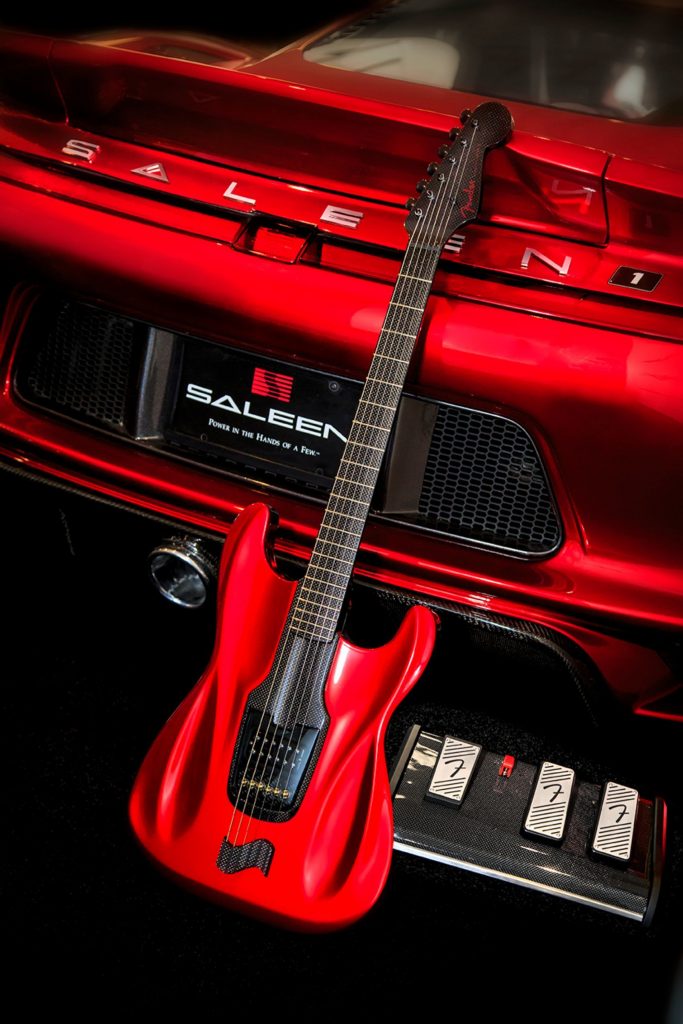
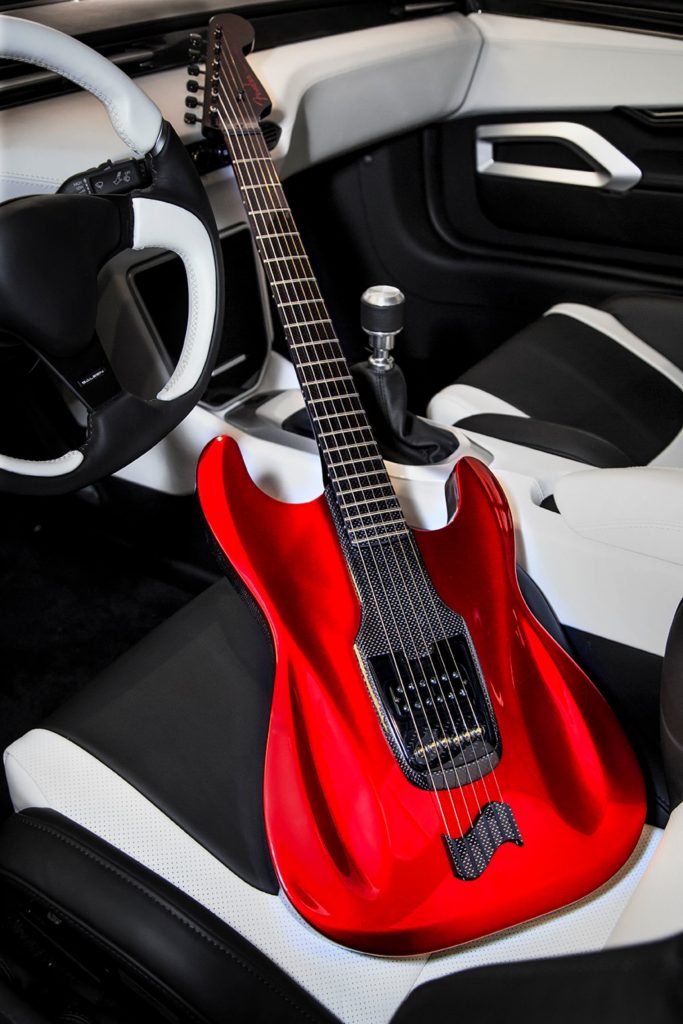
This one-of-a-kind guitar features a carbon-fiber body and hand-carved maple top with a custom 6-Stack bridge and handmade tailpiece to support and anchor the strings. Similar to the Saleen 1, the Fender Stratocaster 1 is exceptionally light and displays a vibrant candy-apple color that is sure to catch anyone’s eye and ear.

Oldsmobile Cutlass
The classic Oldsmobile Cutlass is a car steeped in Americana. Designed by Schellinger Custom Guitars, this Cutlass-inspired guitar comes with a beautifully planned maple neck and Rosewood fingerboard. The guitar’s custom Viking Blue and Silver Pearl tint lacquer paint matches perfectly to its vehicle counterpart.

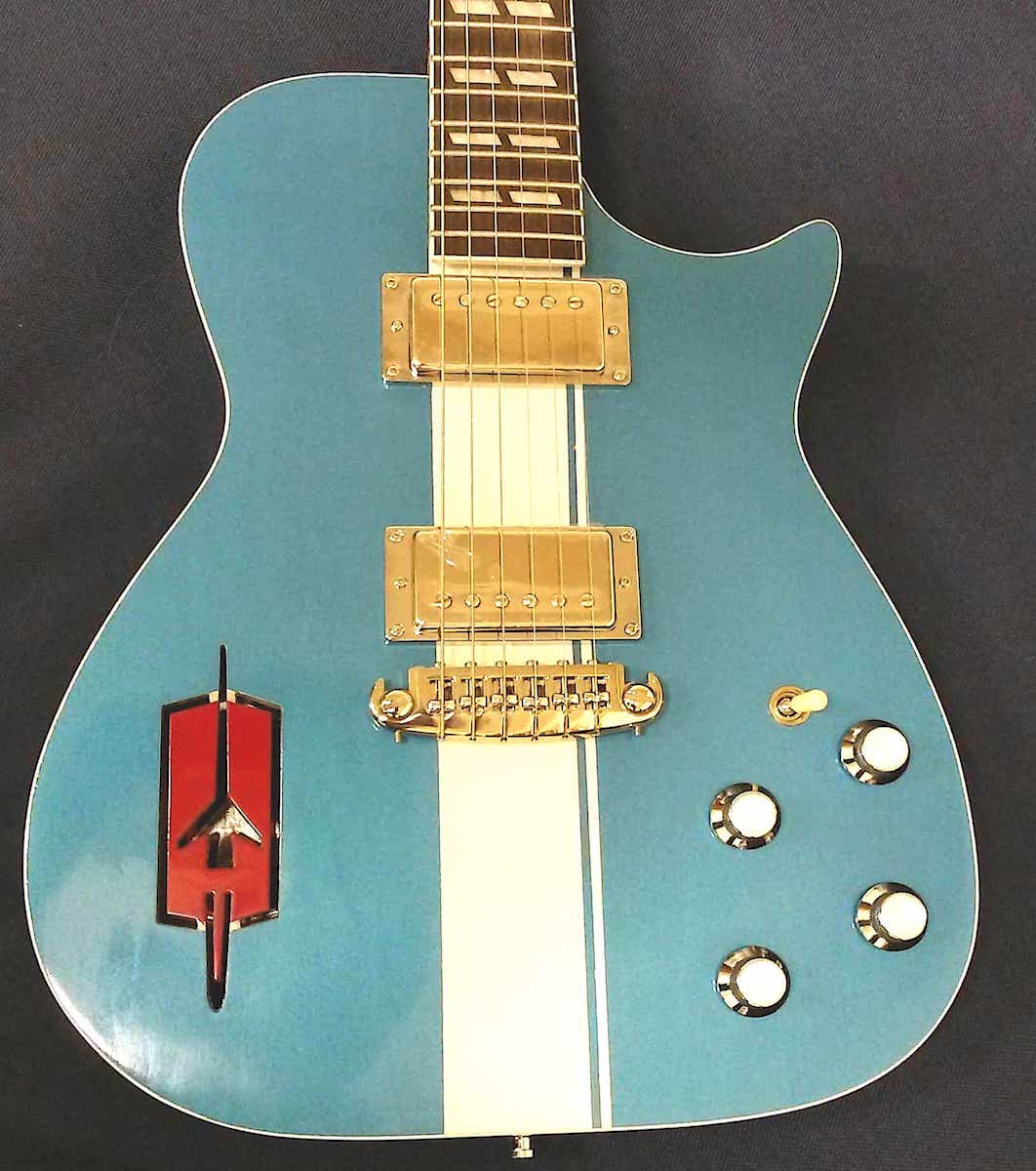
The custom Oldsmobile emblem sits perfectly schemed while showcasing a seamless transition from vehicle to guitar design. Nickel covers and trim rings finish off the guitar’s classic Cutlass look. Schellinger Custom Guitars car-inspired guitars display the passion and care that go into designing such a piece of art.

Shelby Mustang
Shelby Mustang was built as a variant of the classic Ford Mustang from 1965 to 1968. In 1967, the G.T. 500 debuted with a “Ford Cobra” V8 engine and quickly became the envy of car lovers. This car-inspired guitar designed from the infamous “Eleanor” 1967 Ford Mustang fastback featured in the 2000 film “Gone in 60 Seconds.”
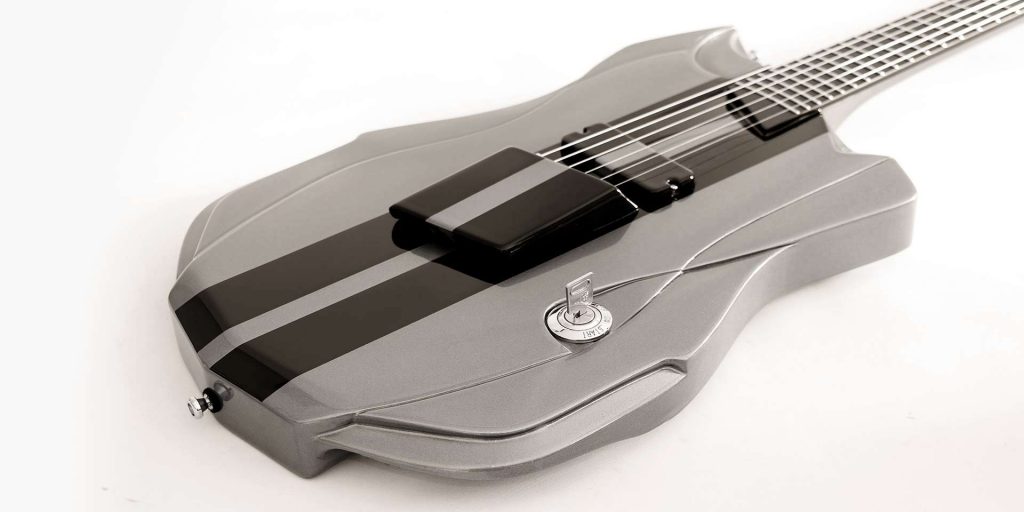
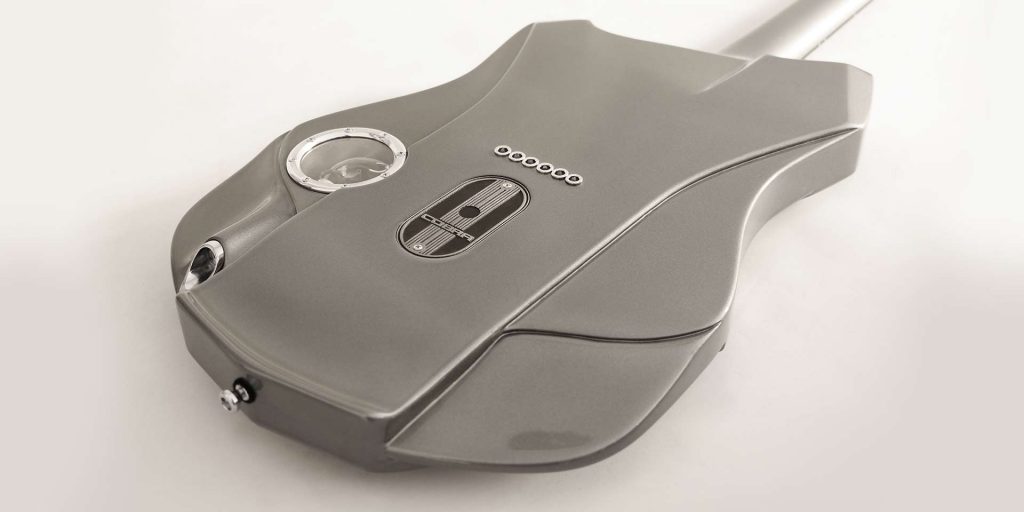
With an Ebony fingerboard and body of alder and maple, this 6-string boasts that same Dupont Pepper Grey finish with black LeMans racing stripes.
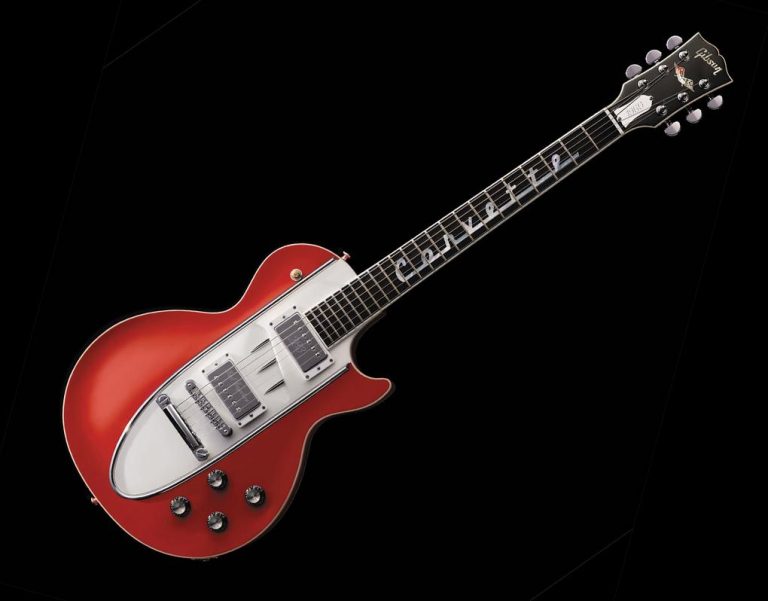
Les Paul ‘60 Corvette
Chevrolet Corvette and Gibson first came together in 1995 to create the Les Paul ’60 Corvette guitar. Featuring an Ebony fretboard inlaid with a pearl “Corvette” logo script, this magnificent music piece also has engraved pickup covers with “fuel injection” and “283” in the original.
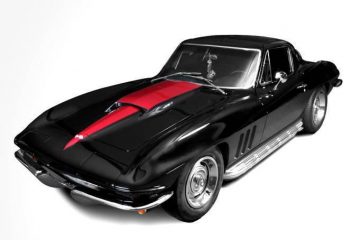
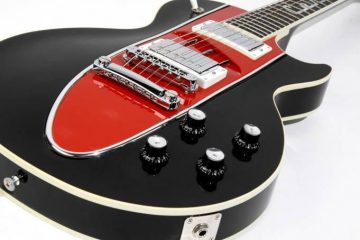
The hand-carved maple top resembles the side scoop of the 1960 Corvette, and the headstock is inlaid with the iconic Chevrolet Corvette crossed flags. Authentic Corvette colors display how much this instrument embodies the passion and design found in the collaboration.

Craig Lowndes Ltd Edition VF Holden Commodore Guitar
With only 230 Ltd Edition Craig Lowndes signature model Holden Commodore cars in the world, this designed guitar is just as much a rarity. The commissioned guitar replicates the original vehicle in a variety of aspects and features.

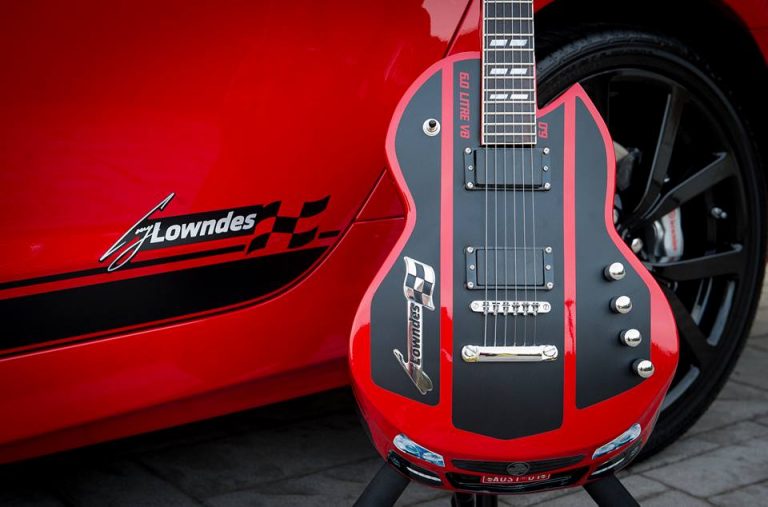
With a big, bold front end and the distinctive three black stripes set on a bright red background, this music maker is perfection in its details. The Australian company’s “Holden” emblem, headlights, and front-end grill are integrated to ensure this guitar mimics the style and sleekness of its namesake. Ali Kat Guitars has designed a wide assortment of custom guitars, and the Ali Kat Custom Car and Hot Rod guitars are one of the most popular among collectors.
By David Haraldsen from jetset.com
Five reasons to visit a ski resort offseason

In the days of COVID-19 and muted international travel, individuals and families have to think further on how to spend their summer/winter holidays this year. Domestic travel and exploration of one’s backyard now under the spotlight. It may be time to reevaluate what makes for a great vacation, what our priorities and values are within that. It could be time to place crowded beaches, nightclubs, and the overindulgence of alcohol on hold and instead focus on exploration, adventure, health, fitness, and supporting our local economies. For those of us that are fortunate enough to have mountains in our reach without the need to fly, here are our top 5 reasons why you should visit a ski resort this offseason.
1. Avoid the crowds
Perhaps the most significant selling point amid a global pandemic is the ability to safely social distance. If you imagine a popular beach destination vs. a mountain one – the distribution of people is far more sparse in the mountains as there is more space available. The idea of sunning oneself on a sandy beach is a more effective way to shape our view of what a summer holiday should look like. Being immersed in the mountains will attract more visitors this summer – giving you the perfect reason to head for hills.
2. Learn a new sport
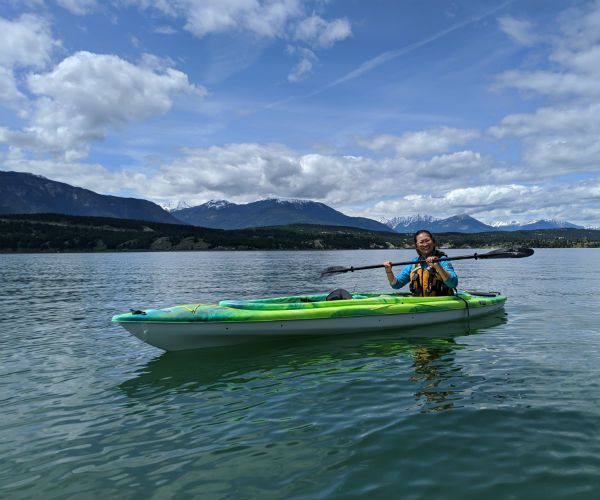
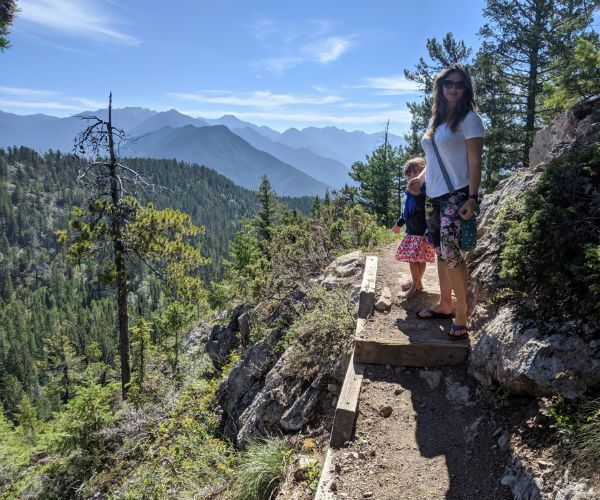
The nature of mountain holidays is great for outdoor adventure and exploration. Many offseason ski resorts transform into impressive mountain bike destinations, and just like their winter versions offer everything from rentals and lessons to marked bike trails. In recent years efforts have been made to make mountain biking accessible for all ages, and ski resorts provide the perfect platform to do that as the infrastructure already exists. Hiking is another excellent way to access the best views, ridges, and mountain trails, as well as horseback riding. For those seeking more of a thrill, mountains have paragliding, climbing, and canyoning – so there is no shortage of adrenalin to be found by those that seek it. Where there are mountains – there are rivers and lakes. From mellow floats to wild rapids, the opportunity to kayak, canoe, raft, or paddleboard is endless to varying ages and abilities. During winter, when they function as ski resorts, we can rest assured that comfortable accommodation options will be close at hand with a broad spectrum of amenities and services.

3. Stay healthy
With the focus placed on being active, we are more likely to be in better shape on a mountain holiday compared to a beach one – where hot temperatures and less physical activity may see the reverse. The mountain air is cleaner and less polluted than urban or touristic areas – so when we do breathe harder as we gain ridges or summit peaks, we can rest assured that we are doing our body a world of good. When we do get our heart rate up, we end up drinking far more water. Alongside biking, many ski resorts hand their pistes-turned-meadows over to cattle and livestock in the summer months for grazing. As there tends to be more physical space per person/family/household in these communities, the number of local farmers is often high. Subsequently, fresh, organic produce and meat are readily available, and we can rest assured knowing where it came from.
4. Do a reconnaissance
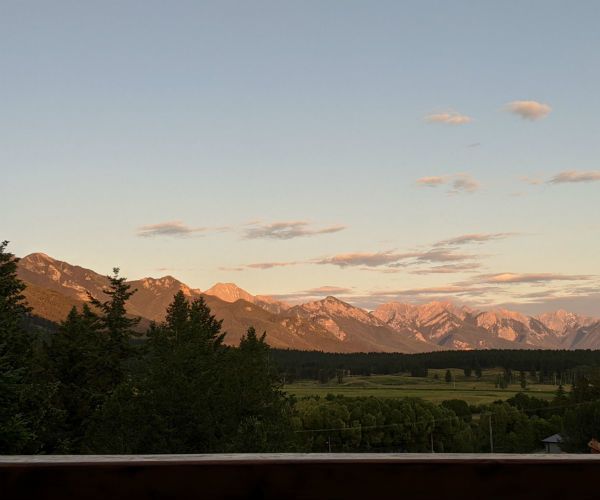
Getting aquainted with an area in the wintertime can be challenging amid skiers and snowboarders, general busyness, and snowstorms. The services by that time in full “tourist mode,” and the locals that do not work directly within the tourism sector will have elected to slip into the background until the spring. It’s not always easy to gain a truly authentic experience of a mountain town, its people, and services during the winter, and the ski slopes themselves can remain strangers in the varying conditions – looking different from day to day in different light and snow.
5. You are supporting the snow sports industry
With aging populations, a shifting interest in snow sports, increasing operating costs, climate change, and now concerns with the future of international travel – ski resorts are fighting hard to continue to deliver the winter experiences that we love. With an increasingly small window in the winter season to make the main bulk of revenue for the year, any business brought in the offseason is invaluable. Not only visiting these resorts outside of the winter season give you numerous levels of enjoyment and benefit but will actively be helping the resort’s economy.
By Nadine Robb
Audemars Piguet Museum opens in Switzerland featuring timely architecture
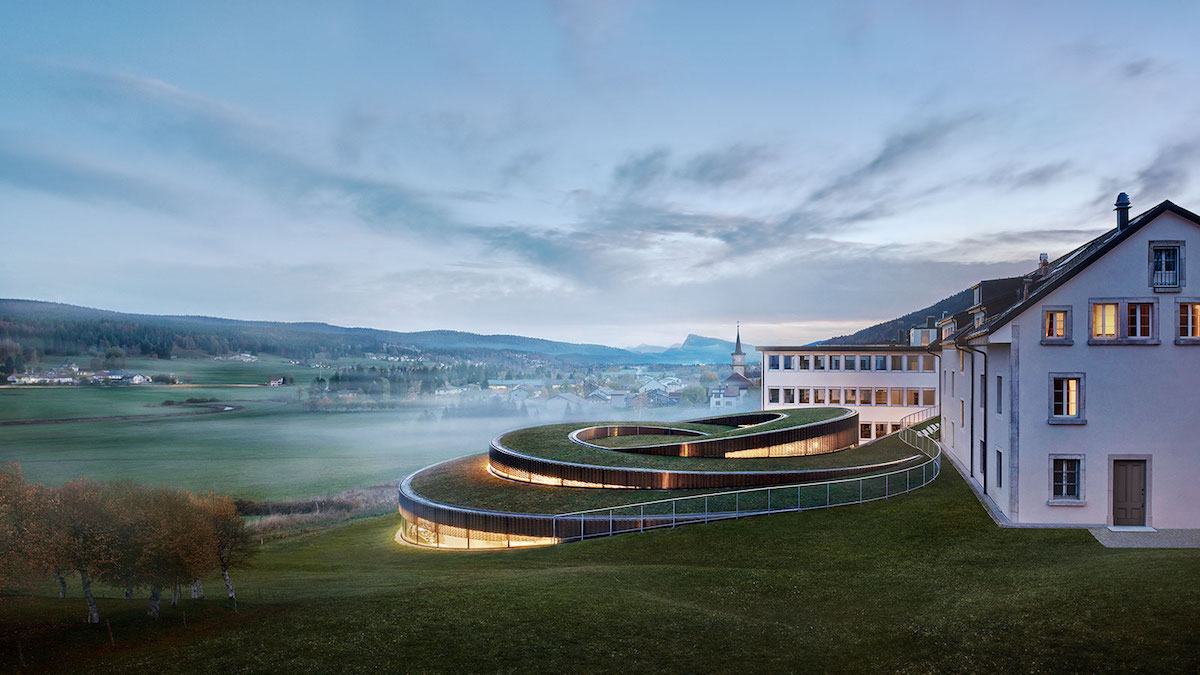
Since 1875, Swiss watchmaker Audemars Piguet has produced some of the world’s most enviable and exquisite timepieces, known for their sleek designs and cutting-edge mechanics. The company, which is headquartered in the idyllic Vallée du Joux in the Jura Mountains, frequently serves elite clientele, including Tom Cruise, Serena Williams, and Lebron James. The appeal is obvious: watches made by Audemars Piguet are the ultimate status symbol, keeping time with precision, elegance, and flair.
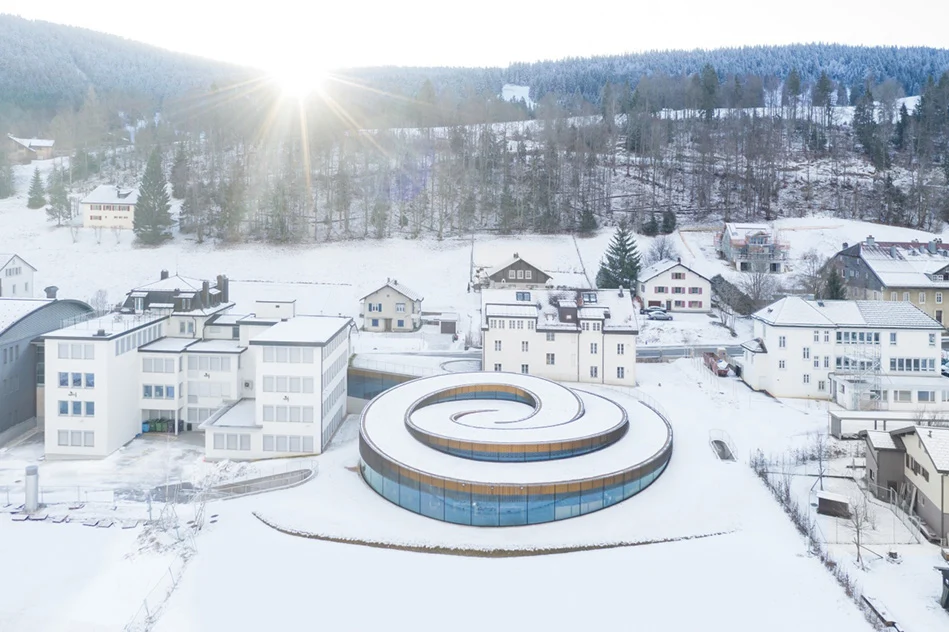
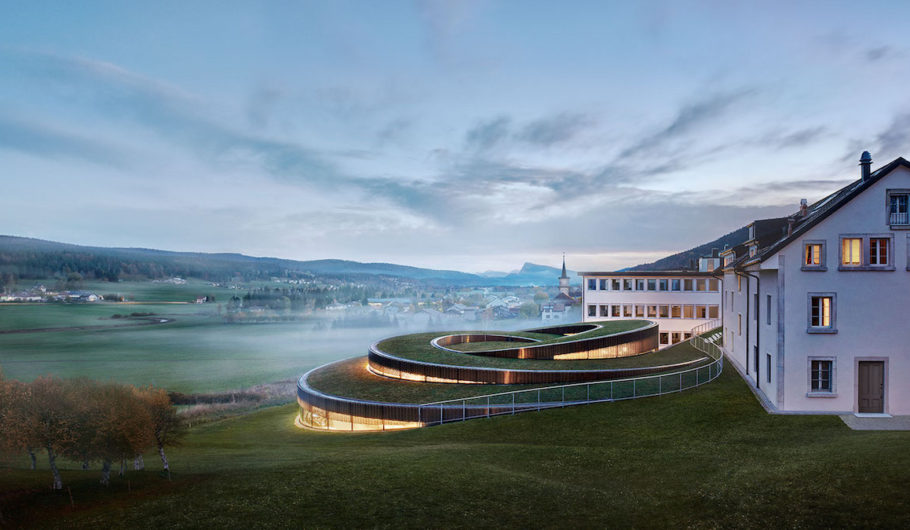
On June 25th, a new museum celebrating the family-owned company’s historic legacy opened, by appointment—right in the backyard of its original workshop in Switzerland. Shaped like a watch’s hairspring and designed by in-demand Danish architect Bjarke Ingels, this museum allows visitors to explore not only Audemars Piguet’s celebrated history but also catch a behind-the-scenes glimpse of the company’s iconic watch-making process.
An Architectural Marvel
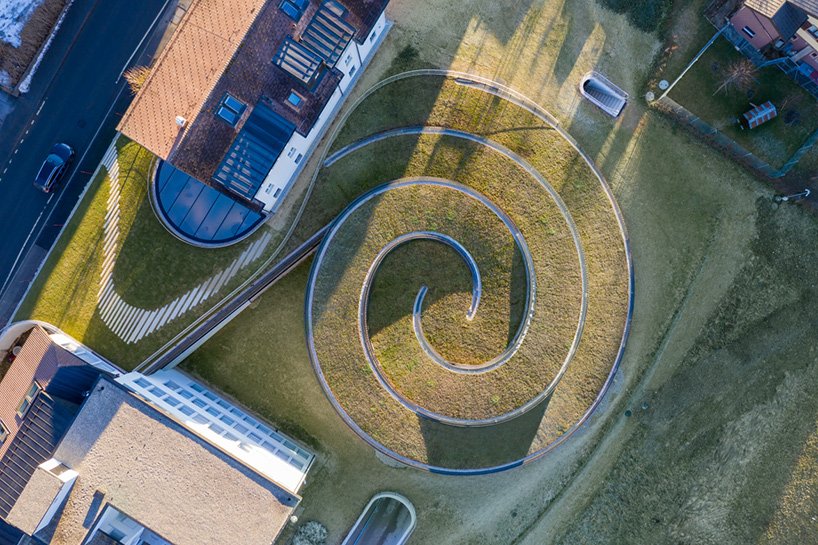
Musée Atelier Audemars Piguet is a spiral-shaped structure, with gorgeous, uninhibited views of the surrounding countryside. The unique design is not only compelling and clever but also a marvelous landmark in architectural engineering. Ingels designed the building’s glass walls to be load-bearing, eliminating the need for pillars or columns, creating open interiors that are both spacious and stunning. The windows are also shaded with bronze, filtering sunlight, creating the perfect level of illumination for guests wandering through the museum.
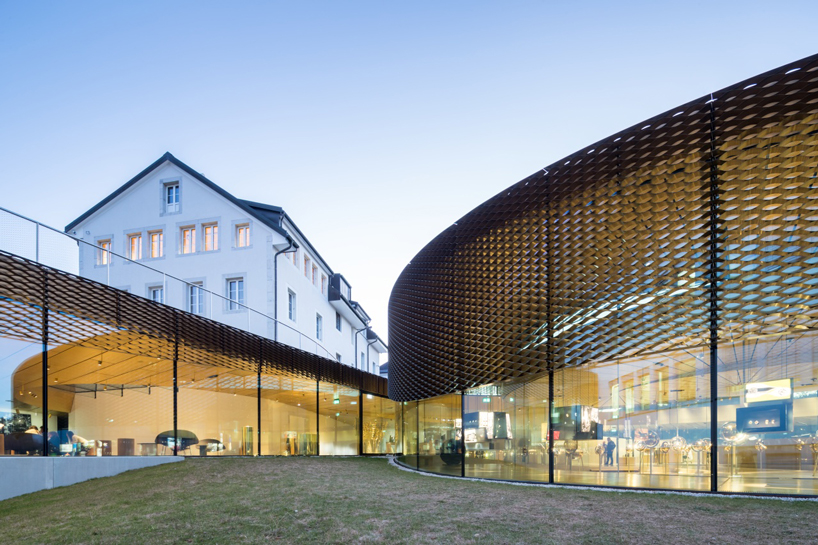
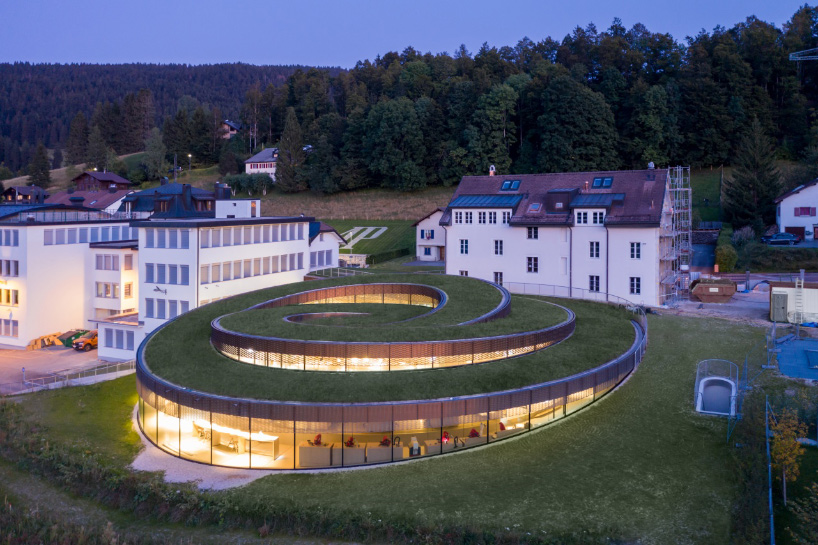
The building’s exterior is whimsical and striking, an homage to the watch’s most important mechanism—the hairspring. In the summer, the winding rooftop resembles a grassy plain, while in the wintertime it becomes a snowy coil, blending seamlessly into the landscape. The simplicity of the building’s aesthetics attests to Ingels’ minimalistic Scandinavian sensibilities, which have made him famous worldwide. Visitors walking through the structure’s corridors will find themselves descending slowly in a clockwise direction until they reach the bottom floor, where the exhibition spaces reside. Without a doubt, the museum’s building alone is a sight to see, transforming Audemars Piguet’s original workshop into a top-notch tourist attraction.
Museum of Horology
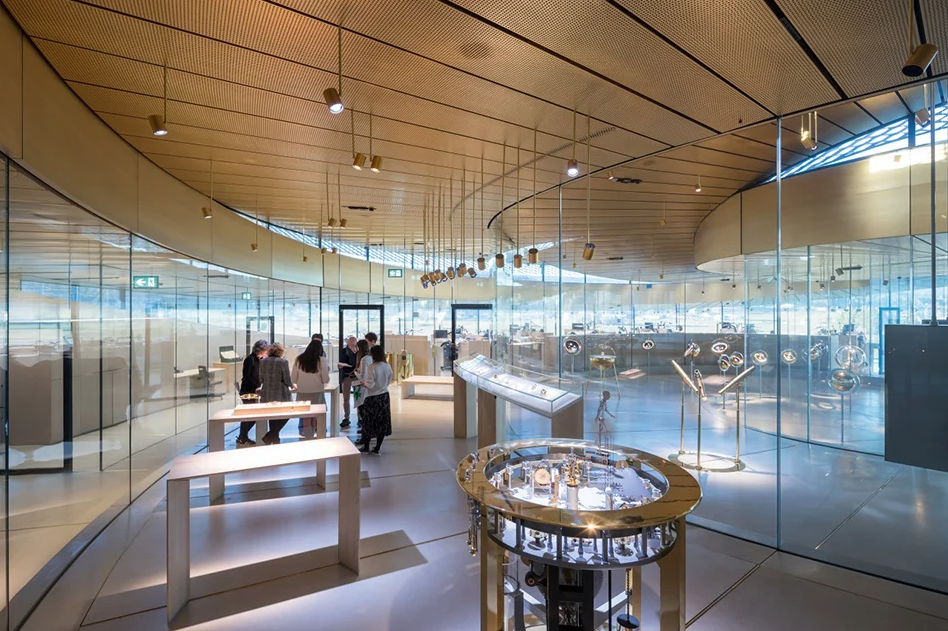
Aside from its impressive location, Musée Atelier Audemars Piguet houses a collection of over 300 watches from the brand’s legendary history, including the Universelle, Piguet’s most elaborate and coveted vintage timepiece. Proud of its family roots, the company has also created a brass display of the watchmaker’s extensive “family tree,” tracing over 500 individuals crucial to the brand’s development and success. Interactive exhibits even allow guests to try their hands at watchmaking. One exhibit challenges visitors to place tiny screws into a watch’s movement, a daunting task that will cultivate an appreciation for the intricacies of horology.
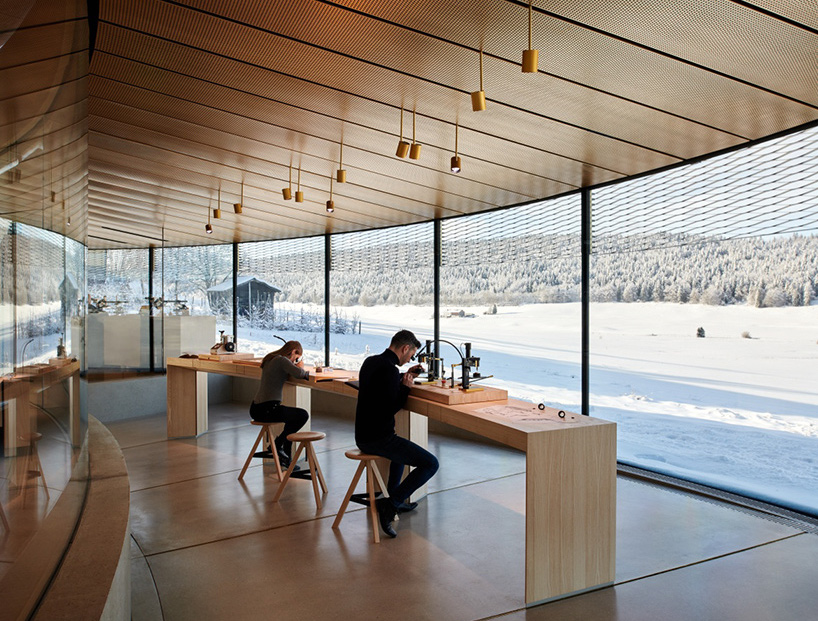
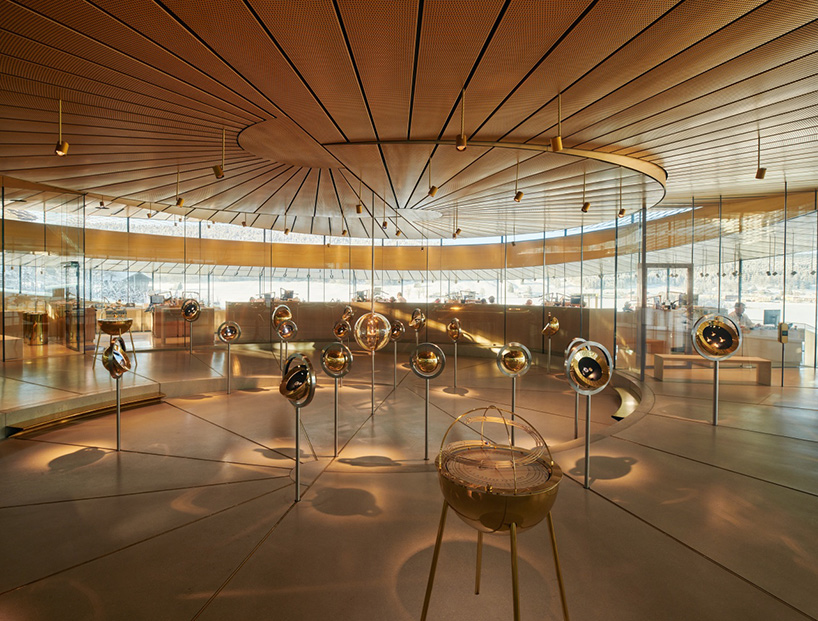
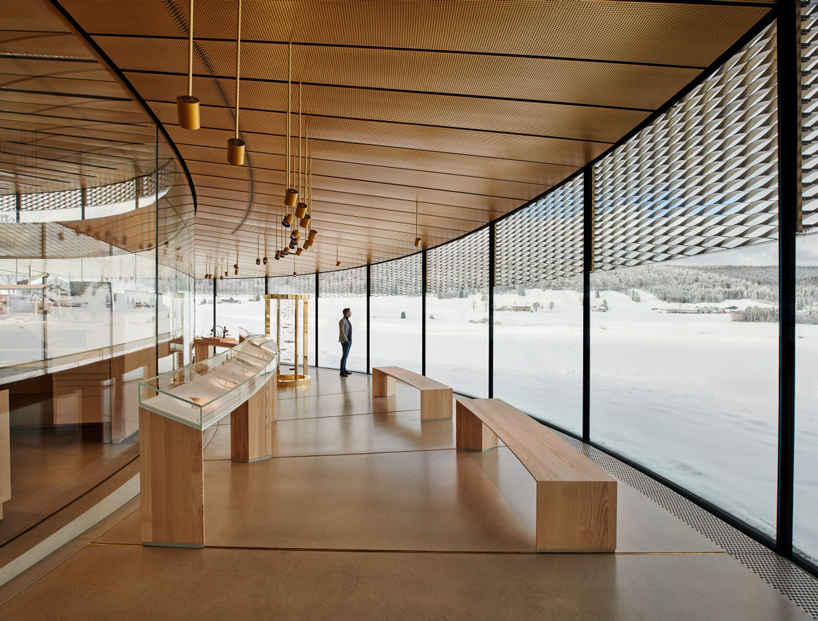
The museum also allows guests to observe watchmakers in action from behind glass as they assemble timepieces for Audemars Piguet’s discerning clientele, a painstaking process that requires months of effort. Other highlights include a host of 19th-century watches, one of which was purchased by the Shah of Iran in 1884, testifying to the diverse patrons of this acclaimed company. Seven years in the making, this museum’s vast collections of watches, coupled with its spectacular architectural design, offer a one-of-a-kind educational experience. Located in the valleys of gorgeous Switzerland, Musée Atelier Audemars Piguet is a perfect detour on a luxury Swiss skiing vacation, honoring the rich history of one of the country’s most beloved—and respected—watch manufacturers.
By David Haraldsen
Small Luxury Hotels of the World Debuts Properties in Italy, France and Spain
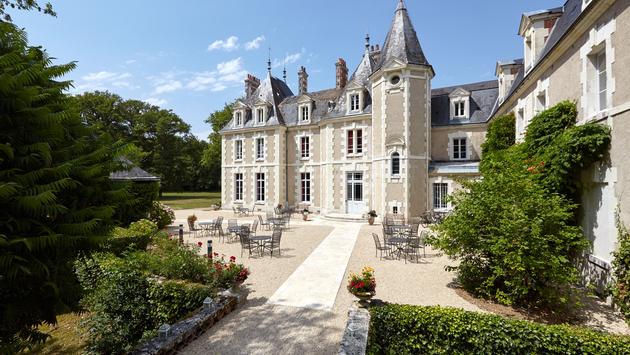
Small Luxury Hotels of the World unveiled three one-of-a-kind properties in Italy, France and Spain: the 88-room Galleria Vik Milano in Milan, the 49-room Les Sources de Cheverny in the Loire Valley and the 18-room Torre Del Marques in Matarrana.
Galleria Vik Milano is appointed with vivid murals and sculptures designed to reflect the Italian city’s history. Guestrooms and corridors serve as exhibition spaces, each of which focuses on a celebrated artist.
The property, which opened Sept. 1 and is set in Milan’s Galleria Vittorio Emanuele II, features two restaurants – Vikissimo, for serving food and drinks, and I Dodici Gatti, for wood-fired pizza.
Rates start $288, including breakfast.
Les Sources de Cheverny, which began welcoming guests on Sept. 1, is a sister property to Bordeaux’s Les Sources de Caudalie, where the Caudalie skincare brand took root.
The hotel is equipped with a restaurant serving farm-to-table cuisine, and an oak Jacuzzi and thermal pool. Caudalie treatments are available in the Spa des Sources.
Arguably, one of Les Sources de Cheverny’s most distinguishing features is Le Baron Perche, a wooden suite set on stilts with lake views.
Rates start at $324 per night, including breakfast.
Torre Del Marques, a 15th-century farmhouse that has been renovated from top to bottom with a focus on bio-sustainability, features an organic “zero-kilometre restaurant,” offering and cuisine that is produced and sold locally, including such items as olives, almonds, honey and black truffles, and local wines.
For families or friends traveling together, the Suite Room accommodates four guests in two connecting rooms, and features a terrace.
Rates for Torre Del Marques, which opened on Aug. 29, start at $323 per night, including breakfast.
In other developments, the 44-room Huvafen Fushi Maldives in Paje, Maldives, has rejoined Small Luxury Hotels of the World and is scheduled to reopen on Nov. 1. t
Rates start at $1,644 per night, including breakfast.
Small Luxury Hotels of the World’s portfolio includes 520 properties in more than 90 countries.
Small Luxury Hotels of the World unveiled three one-of-a-kind properties in Italy, France and Spain: the 88-room Galleria Vik Milano in Milan, the 49-room Les Sources de Cheverny in the Loire Valley and the 18-room Torre Del Marques in Matarrana.
Galleria Vik Milano is appointed with vivid murals and sculptures designed to reflect the Italian city’s history. Guestrooms and corridors serve as exhibition spaces, each of which focuses on a celebrated artist.
The property, which opened Sept. 1 and is set in Milan’s Galleria Vittorio Emanuele II, features two restaurants – Vikissimo, for serving food and drinks, and I Dodici Gatti, for wood-fired pizza.
Rates start $288, including breakfast.
Les Sources de Cheverny, which began welcoming guests on Sept. 1, is a sister property to Bordeaux’s Les Sources de Caudalie, where the Caudalie skincare brand took root.
The hotel is equipped with a restaurant serving farm-to-table cuisine, and an oak Jacuzzi and thermal pool. Caudalie treatments are available in the Spa des Sources.
Arguably, one of Les Sources de Cheverny’s most distinguishing features is Le Baron Perche, a wooden suite set on stilts with lake views.
Rates start at $324 per night, including breakfast.
Torre Del Marques, a 15th-century farmhouse that has been renovated from top to bottom with a focus on bio-sustainability, features an organic “zero-kilometre restaurant,” offering and cuisine that is produced and sold locally, including such items as olives, almonds, honey and black truffles, and local wines.
For families or friends traveling together, the Suite Room accommodates four guests in two connecting rooms, and features a terrace.
Rates for Torre Del Marques, which opened on Aug. 29, start at $323 per night, including breakfast.
In other developments, the 44-room Huvafen Fushi Maldives in Paje, Maldives, has rejoined Small Luxury Hotels of the World and is scheduled to reopen on Nov. 1. t
Rates start at $1,644 per night, including breakfast.
Small Luxury Hotels of the World’s portfolio includes 520 properties in more than 90 countries.
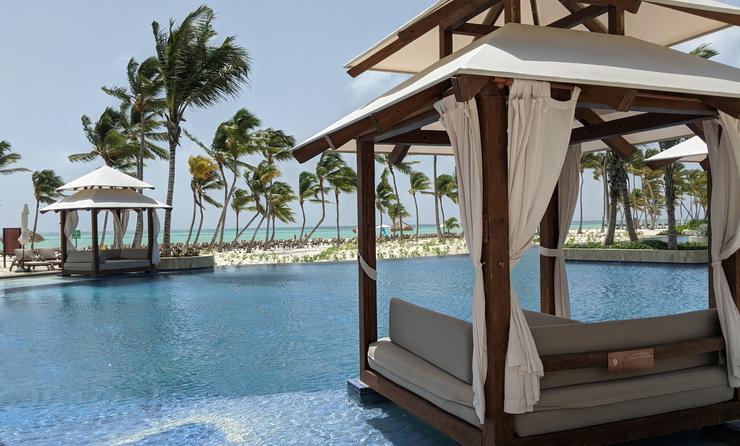
The Trend Setting ‘Work and Learn From Paradise’ Program
Earlier this summer, Playa Hotels & Resorts launched the “Work and Learn from Paradise” program, and a new trend in the travel industry was born.
Stay for 14 days, be upgraded to a suite room, receive free spa treatments and have all your needs taken care of you through an all-inclusive package – sounds amazing, right?
Throughout August a number of resorts followed with variations of extended stay offers.
How does Playa Hotels & Resorts feel about that?
“Imitation is the sincerest form of flattery,” said EVP & Chief Marketing Officer Kevin Froemming. “I think everybody sort of identifying this, I think it’s great that we lead the way. We paid a lot of attention to our travel agents and quite frankly, this has been something that we’ve been thinking about for quite some time on our executive conference calls.
“We’re glad that the rest of the industry is catching up with us on this. I think it’s great for the industry to see people coming back to the resorts and these type of programs are going to help our industry recover faster. From our perspective, we want everyone to come here, but we realize that there are others out there, so we welcome it as a part of our industry recovery.”
The peak of the summer travel season may be gone as the Labor Day has come and gone, however, the future bookings and vacations are slowly but surely trending up.
“We’ve had a tremendous amount of bookings,” Froemming said. “We’re well over a million dollars in revenue on this particular program already.”
Playa also invested in stronger WiFi to ensure no guests complain about internet access to handle remote working and virtual learning for the kids.
“I think it’s one of the best ideas or resorts come up with it a long time,” said Tyson Wharton, Owner of Sioux Empire Travel. “If people are stuck at home and their kids are learning from home, there’s no better place than right here. Everything is taken care of for you, you can focus on your work, your kids can focus on school and then once you’re all done, you can have a great time with the family.”
Travel agents and advisors certainly love the unique new way to sell a vacation to their clients.
But how do guests experiencing it feel?
At the Hyatt Ziva and Zilara Cap Cana in the Dominican Republic last week, paradise views made virtual learning and remote working a breeze.
15-year-old Josh Wright is missing sports, but thanks to the 14,000 square foot gym he can focus on staying in shape.
“I really love the training aspect because back at home all the gyms are closed. Since sports are not happening, I’m still able to train here and get that done and I really love that.”
And what did his 14-year-old brother Brady Wright think?
“Well, I just love the idea of it, just like having freedom to do whatever you want, like you can study in the coffee lounge or even in your room on your balcony…you have your own freedom to do whatever you want, you’re not just cooped up in your room at home.
St. Thomas University President David A. Armstrong raved about the WiFi access and its strength.
“Well, I’ll tell you, the moment we walked in my spirit was lifted,” Armstrong said. “But I had all kinds of meetings. I had a board executive meeting with some very big decisions, I had meetings every day and I’ll be honest, this is going to sound bad, but the Wi-Fi is better here than I have at my school and at home so I was more effective from a virtual standpoint here than I’ve been anywhere else so far.”
The “Work and Learn from Paradise” program at Playa is currently being offered at Hyatt Ziva and Zilara Cap Cana, Hyatt Ziva and Zilara in Cancun, Hyatt Ziva and Zilara Rose Hall in Jamaica, and as mentioned earlier, coming to Los Cabos soon.
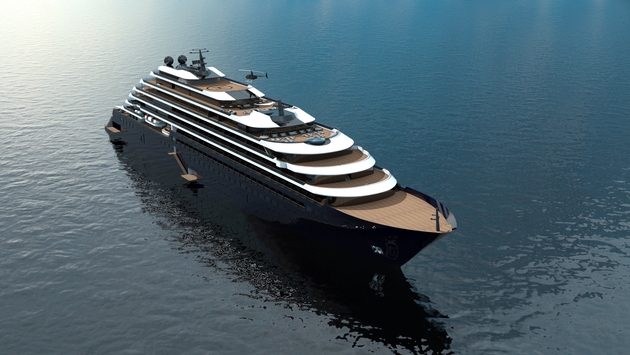
The Ritz-Carlton Yacht Collection Sets Winter 2022-23 Itineraries

The Ritz-Carlton Yacht Collection revealed its 2022-23 winter season itineraries, which will explore Central America, The Bahamas and the Caribbean on the Evrima, a word of Greek origin meaning “discovery.”
The 2022-23 winter season spans from November through April and includes calls at Golfito, Costa Rica; Portsmouth, Dominica; Puerto Quetzal, Guatemala; and Bocas Del Toro, Panama.
Other ports of call include Aruba, Bequia, Vieques and Dominica – and a New Year’s Eve celebration is planned in St. Barths.
The 2022 itineraries, released earlier this year, features an extended Mediterranean season and Holy Land sailings. Spring and summer 2022 itineraries feature an overnight in Casablanca, visits to Israel and Cyprus, and marquee events such as the Monaco Grand Prix.
The Ritz-Carlton Yacht Collection brings the legendary Ritz-Carlton service to sea with an all-inclusive luxury sailing experience. The 26,500-gross-ton Evrima, the first of three yachts, can carry up to 298 passengers. For more information, click here.
Royal Caribbean Group Highlights Safety Features in Mobile Apps

Royal Caribbean Group has created a new video that highlights several of its technological advances, including those that will help the company safely resume cruising.
“As travelers and travel professionals continue adapting to the world around them, Royal Caribbean Group is dedicated to further evolving cruises into safer and healthier vacations,” the company said. “At the forefront of this will be the group’s existing digital innovations designed to eliminate what has typically been considered primary pain points of travel – lines, crowds and paper.”
Among the highlighted features is the new, reimagined safety drill that was in development for more than a year. The new approach, Muster 2.0, lets passengers review safety information via mobile devices or stateroom TVs, eliminating the need to gather in large groups at muster stations throughout the ship.
At the core of Muster 2.0 is the cruise company’s mobile app, first introduced in 2017 and now available on many Royal Caribbean International, Celebrity Cruises and Azamara ships, through each brand’s individual app.
Initially developed for guests to make the most of their vacation – letting them book dinner and show reservations, for example – the app’s capabilities can integrate today’s new health and safety practices, such as physical distancing and minimizing common touchpoints.
A number of features and capabilities currently within the app – released in different combinations across the cruise company’s 63-ship fleet – are being built on for current times.
Primary mobile app functionalities include:
Scheduled arrival time. The app helps stagger arrival times for guests to help eliminate crowds by managing the ebb-and-flow in parking lots, drop-off areas and terminals to allow for physical distancing from car to stateroom.
Expedited boarding. By completing check-in with the app, scanning passport information and uploading a selfie security photo, guests can generate a mobile boarding pass and qualify for an expedited boarding process. Debuted in 2018, the digital experience minimizes check-in and security lines at ports, allowing guests to get on board seamlessly and safely in minutes.
Digital key. Guests can unlock staterooms with their smartphones by downloading a digital key, available in just a few taps for select ships and staterooms.
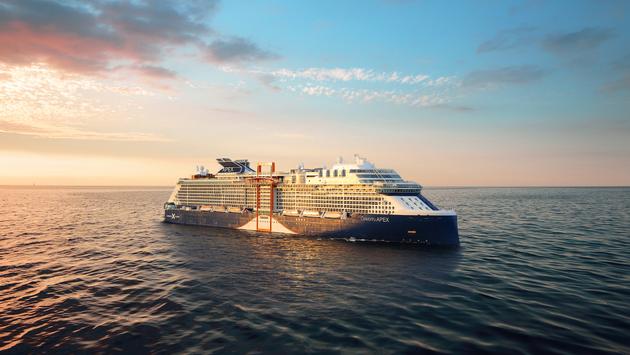
Stateroom automation. Using their smartphone, guests have the ability to control elements inside their stateroom, such as the TV, lighting, window shades and temperature, limiting touchpoints while achieving higher levels of stateroom customization. Stateroom control is currently available on Spectrum of the Seas, Celebrity Edge and Celebrity Apex. The goal is to roll this out across future newbuilds.
Onboard account. Guests can view onboard charges and credits in real-time from anywhere on the ship without waiting in line or on hold.
Daily planning. Onboard activities, entertainment shows, dining and shore excursions are viewable and open for reservations all through the guest mobile app.
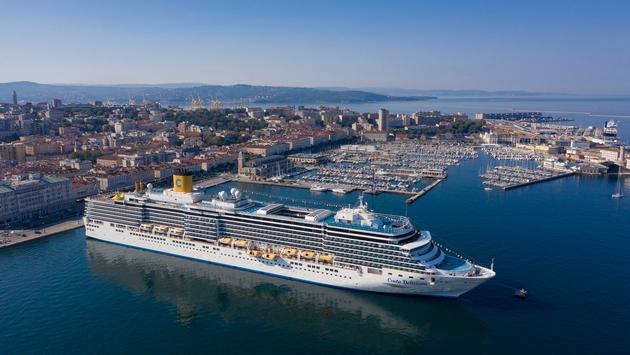
Costa Cruises Sets Sail in Italy, Cancels 2020-21 South America
As Costa Cruises resumed sailing in Italy, it also took the step of canceling its 2020-21 season in South America.
All South America cruises from November 2020 to April 2021 were canceled by the Costa Fascinosa, Costa Luminosa and Costa Pacifica.
Costa did, however, open sales on Sept. 8 for the 2021-22 season in South America. The company will operate two ships – Costa Favolosa and Costa Pacifica – in South America between December 2021 and April 2022.
Meanwhile, the Costa Deliziosa departed on its first voyage since the pandemic on Sept. 6 from Trieste, Italy, to several Italian ports.
“We’re delighted to be able to welcome our guests on board again after more than five months without cruising and we’re also happy to be restarting operations right here in Italy. Our decision to resume responsibly with Italian cruises for Italian guests is particularly significant for us, since we’ve believed and invested in this country for more than 70 years as the only cruise company flying the Italian flag,” said Michael Thamm, Group CEO for Costa Group and Carnival Asia.
“For the last few weeks, we’ve been working together with the authorities on implementation of the new health procedures that will allow our guests to make the most of their cruise experience while ensuring maximum safety. Meanwhile, we’re continuously monitoring the situation with a view to gradually reintroducing cruising on more ships from October, with itineraries extended also to include guests from our other European markets.”
Guests arrived at staggered times by virtue of online check-in. Upon entrance to the terminal, each guest had their temperature scanned, submitted a health questionnaire and took an antigen rapid swab test.
Passengers can only sightsee on Costa-approved shore excursions, since numbers are reduced, and they take sanitized transportation.
The shipboard amenities and entertainment have been redesigned. For example, shows operate repeat performances for smaller audiences; the buffet restaurants switched to seated dining; and seating capacity in theaters, show lounges, bars and restaurants has been revised to allow for distancing.
After Costa Deliziosa, which will operate from Trieste until the end of the year, Costa’s next ship back in service is Costa Diadema, scheduled to leave from Genoa on Sept. 19. Like Deliziosa, it will only call at Italian ports and carrying Italian residents. If all goes well, the flagship Costa Smeralda will re-enter service in October, followed in December by Costa Firenze, the company’s new ship under construction at Fincantieri’s Marghera yard.

Argentina set to restart domestic and international routes

One of the world’s most stringent COVID-19 travel bans looks to be nearing an end.
International and domestic commercial routes to and from Argentina could restart next month, according to the country’s transport minister.
Mario Meoni told local reporters that new health and safety regulations have been implemented for passengers and airports, saying Argentina has a “unified protocol” in place.
He added that proposals to resume regular passenger services in October have now been submitted to president Alberto Fernandez, who will make a final decision on whether to lift the travel restrictions.
The majority of flights have been grounded in Argentina since Mar. 20 following the government’s decision to impose a nationwide lockdown designed to curb the spread of COVID-19.
In April, a decree signed by the country’s National Civil Aviation Administration banned carriers from selling flights to, from and within the country until Sept. 1. That has since been extended and Argentina remains under a nationwide quarantine until at least midnight on Sept. 20.
Argentina is therefore the largest market in Latin America where aviation remains suspended.
Earlier this month, IATA warned that the “industry can no longer accept further postponements of reopening dates,” stressing that it “needs clarity on when flights can resume, especially since all biosafety protocols are in place.”
Since the flight ban was introduced, LATAM Airlines Group announced in June that its Argentinian subsidiary would cease operations indefinitely, as the bankrupt parent company looks to rid itself of loss-making assets.
The Chilean airline group said LATAM Argentina’s operations would halt “for an indefinite period due to current local industry conditions, exacerbated by the COVID-19 pandemic, which has left the sustainability of the project unviable.”
LATAM Argentina operated flights to and from 12 domestic destinations, as well as four international markets from Buenos Aires (EZE): Lima (LIM), Peru; Miami (MIA); Santiago (SCL), Chile; and Sao Paulo (GRU).
The airline carried 13 million passengers in 2019, earning it a 16% share of Argentina’s domestic market, making it the country’s largest privately owned carrier and second only to state-owned Aerolíneas Argentinas.
As well as the grounding of LATAM Argentina, three international airlines have confirmed they will not resume flights to Argentina once borders reopen. Air New Zealand has ended its Auckland (AKL)-EZE route, while Emirates and Qatar Airways have also canceled services from Dubai (DXB) and Doha (DOH) respectively.